The Gut-Brain Connection: Why Your Child's Behavior Might Start in Their Stomach
Ninety percent of the body's serotonin is produced in the gut. The vagus nerve runs a bidirectional communication highway between the gut and the brain. A dysregulated microbiome can show up as anxiety, attention problems, or behavioral changes.
Twenty years ago, if you suggested to a pediatrician that a child's behavioral symptoms might have something to do with their gut, you'd have gotten a polite brush-off. The gut was for digestion. The brain was for cognition and behavior. They were separate.
The last 15 years of research have dismantled that separation. The gut-brain axis — the bidirectional communication network between the gastrointestinal tract and the central nervous system — is now one of the fastest-growing fields in neuroscience, and the implications for pediatric mental and behavioral health are substantial. (1)
The headline facts:
- The gut contains more neurons than the spinal cord. The enteric nervous system is sometimes called the "second brain" for this reason.
- The vagus nerve carries approximately 80% of its fibers from gut to brain (not brain to gut). The gut is actively sending information to the brain, constantly.
- The gut microbiome produces neurotransmitter precursors — GABA, serotonin, dopamine-related compounds, short-chain fatty acids — that cross into circulation and affect brain function.
- Approximately 90% of the body's serotonin is produced in the gut, not the brain. (The gut serotonin doesn't cross the blood-brain barrier, but it signals through the vagus nerve and affects overall serotonin availability.)
- Microbiome composition correlates with behavioral and neurodevelopmental outcomes in multiple studies — including anxiety, depression, ADHD traits, and autism spectrum presentations.
For parents, the practical implication is simple: if your child has behavioral, attentional, or mood symptoms that resist straightforward behavioral or psychological intervention, the gut deserves a look. Not as a replacement for evaluation and care, but as an additional axis that's often missing from the clinical conversation.
What the Microbiome Actually Does
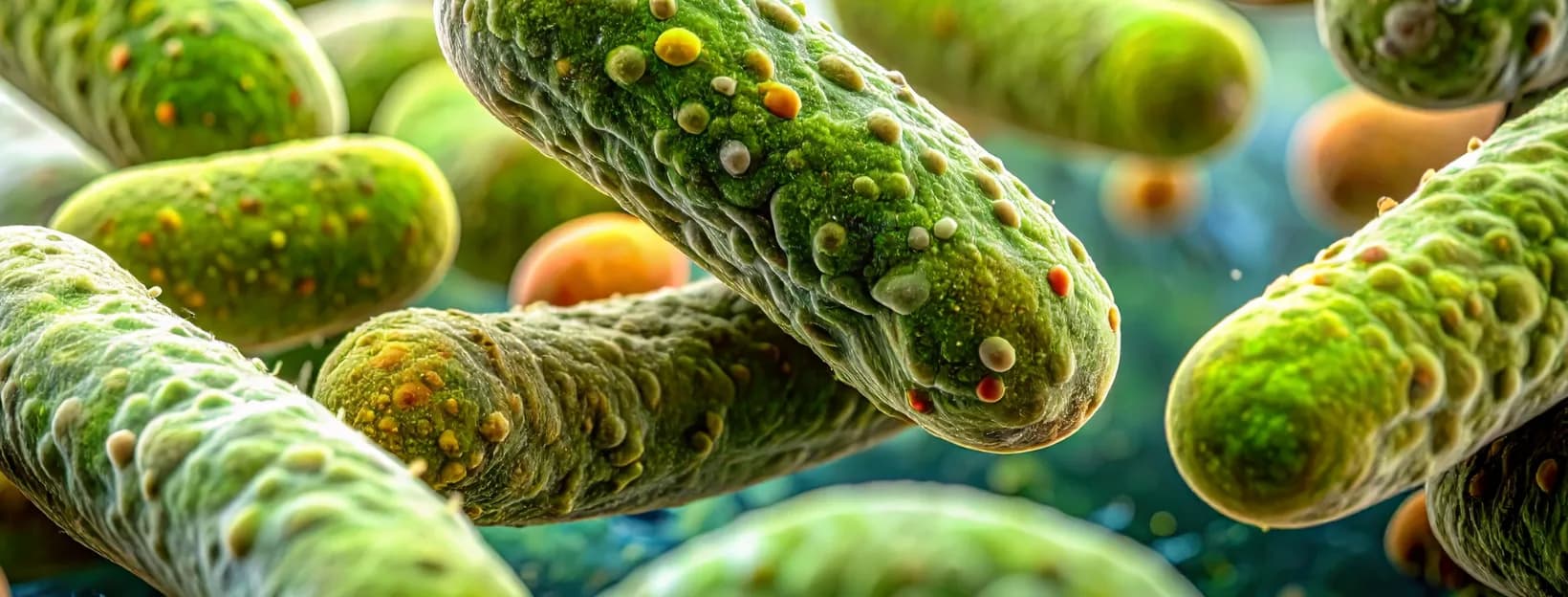
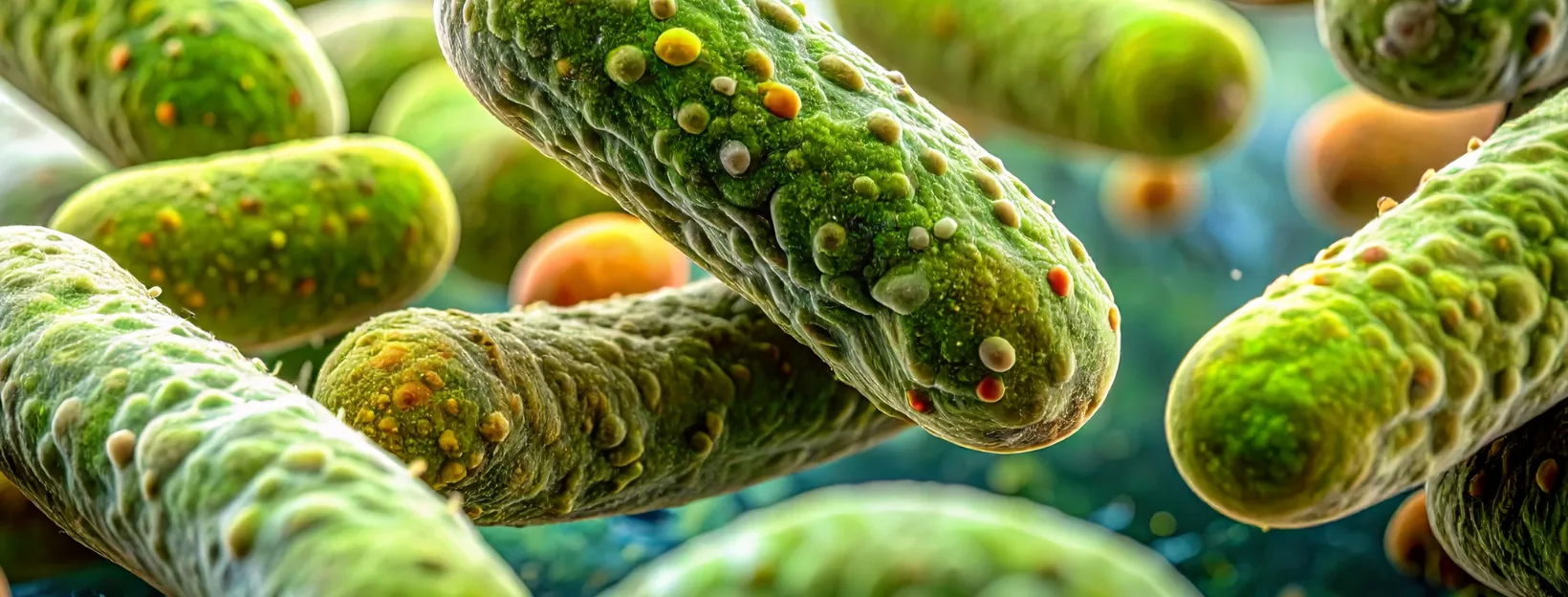
The human gut contains trillions of bacteria, fungi, viruses, and archaea — collectively called the gut microbiome. The specific composition varies by individual, by diet, by age, by geography, by exposure history, and by dozens of other factors. But the general functions of a healthy, diverse microbiome:
Nutrient synthesis and extraction. Microbes produce vitamin K, some B vitamins, and short-chain fatty acids (butyrate, propionate, acetate) from fiber fermentation.
Immune training. ~70% of the body's immune cells reside in or near the gut. Early-life microbial exposure calibrates immune tolerance and response.
Barrier function. A healthy microbiome helps maintain the integrity of the intestinal epithelium. A disrupted microbiome can lead to increased gut permeability ("leaky gut"), which in turn is associated with systemic inflammation and behavioral effects.
Neurotransmitter and metabolite production. Gut bacteria produce or modulate production of GABA, serotonin precursors, dopamine-related compounds, and short-chain fatty acids that have direct effects on brain function.
Competitive exclusion. A healthy microbiome keeps pathogenic organisms in check by occupying niches and producing antimicrobial compounds.
Signaling. Microbial metabolites signal through the vagus nerve, through circulating cytokines and hormones, and through direct interaction with the enteric nervous system.
When the microbiome is disrupted (dysbiosis), all of these functions can be degraded. The downstream effects — on mood, behavior, cognition, immune function, inflammation — are measurable and increasingly well-characterized.
At Avaneuro, the Gut Health module is treated as a first-tier intervention for behavioral and mood concerns in children, because the evidence base now supports that framing.
Where Modern Kids' Microbiomes Get Disrupted
The factors that affect childhood microbiome development:
1. Birth mode. C-section bypasses the birth-canal microbial transfer, with measurable effects on the neonatal microbiome that persist for years. (2)
2. Feeding. Breastfeeding provides prebiotic oligosaccharides and maternal microbes; formula feeding establishes a different (not necessarily worse, but different) microbial ecosystem.
3. Antibiotic exposure. Pediatric antibiotic courses substantially disrupt the microbiome, and each course may take months to years for full recovery. Cumulative early-life antibiotics are associated with increased risk of asthma, obesity, and behavioral concerns. (3)
4. Diet. High-fiber, diverse plant intake supports microbial diversity. Processed-food-heavy diets narrow it. Sugar feeds specific (often undesirable) bacterial populations.
5. Environmental microbial exposure. Outdoor time, dirt, pets, rural environments provide microbial diversity. Sterile indoor environments don't.
6. Household chemistry. Antibacterial cleaning products (covered in the cleaning products article) alter the indoor microbial environment.
7. Stress. Chronic stress in children (and in caregivers) affects the microbiome through cortisol signaling, altered gut motility, and inflammatory pathways.
The childhood microbiome stabilizes toward an adult-like composition somewhere around age 3–5 — which means the first five years of life are a particularly sensitive window for microbiome establishment.
The Myths That Are Costing You
Myth #1: "Probiotic gummies cover the gut piece."
Partially, sometimes. The probiotic supplement industry is largely unregulated, product quality varies enormously, and most consumer probiotics contain species that may not colonize the gut meaningfully.
What works better than a random gummy: fermented foods (yogurt, kefir, sauerkraut, kimchi, miso, tempeh) which provide diverse microbes in food matrices, prebiotic foods (fiber-rich plants that feed existing beneficial bacteria), and for specific clinical situations, well-characterized probiotic strains with research support (e.g., specific strains of Lactobacillus rhamnosus GG, Bifidobacterium infantis).
Myth #2: "My child's behavior isn't a gut issue because they don't have GI symptoms."
Gut-brain signaling can be dysfunctional without overt GI symptoms. Constipation is one clear signal; diarrhea is another. But a kid with inflammatory microbiome patterns can present primarily as anxious, irritable, hyperactive, or unfocused — without the parent ever connecting it to digestion.
Conversely, some kids have real GI symptoms that get overlooked as "just her stomach issues" when they're actually pointing at a microbiome problem worth addressing.
Myth #3: "Just eat yogurt, that's enough."
Yogurt with live cultures is useful. It's not a complete microbiome intervention. Diversity matters — many kinds of fermented foods beat one kind eaten often. And feeding existing microbes (prebiotic fiber) matters as much as introducing new ones.
Myth #4: "Antibiotics are harmless."
Antibiotics are essential for bacterial infections. They are also the single most disruptive event for the childhood microbiome. Use them when they're needed (serious bacterial infection), but recognize that each course has a cost. "Try an antibiotic and see if it helps" for marginal indications trades a real microbiome cost for a small probability of benefit.
Ask pediatricians: "Is this definitely bacterial and definitely requires antibiotics, or is there a watch-and-wait option?" Many minor pediatric infections are viral and will resolve without antibiotics; many marginal sinus, ear, and throat infections have watch-and-wait protocols supported by research.
The Numbers That Matter
| What's happening | The data | Source |
|---|---|---|
| Gut-brain axis | Bidirectional signaling via vagus nerve, cytokines, metabolites, neurotransmitters | (1) |
| Gut serotonin production | ~90% of body serotonin produced in the gut | Literature consensus |
| Microbiome stabilization age | ~3–5 years | Longitudinal microbiome research |
| C-section and microbiome | Documented differences persisting years after birth | (2) |
| Early-life antibiotics | Associated with increased risk of asthma, obesity, behavioral outcomes | (3) |
| Mood/behavior-microbiome associations | Documented in ADHD, anxiety, depression, autism-spectrum cohorts | (1) |
Wait, Really? Inflammation Is in the Behavior Pathway
Here's the piece that connects several otherwise-disparate parenting conversations into one story.
Chronic low-grade inflammation — driven by diet, microbiome dysbiosis, environmental exposures, sleep disruption, and stress — affects the brain through multiple mechanisms. Inflammatory cytokines cross the blood-brain barrier (or signal across it). They activate microglia, the brain's immune cells. They alter neurotransmitter metabolism. And they produce a behavioral syndrome that researchers call "sickness behavior" — the lethargy, irritability, cognitive fog, and social withdrawal that everyone experiences during a flu.
In children with chronic low-grade inflammation — from a disrupted microbiome, persistent food sensitivities, environmental exposures, or all of the above — a sub-clinical version of sickness behavior can be running continuously. It doesn't look like illness. It looks like a moody, tired, hard-to-motivate, easily-dysregulated kid.
The intervention on this is not a medication. It's reducing the inflammatory load — better microbiome, better diet, reduced environmental toxins (covered across multiple articles), better sleep, addressed food sensitivities.
Kids who "grow out of" the difficult phase often have, underneath the narrative, grown out of an inflammatory episode. Kids who don't often have ongoing contributors that nobody identified.
The Avaneuro Gut Health module connects this to the broader program — because the microbiome is one of the nodes through which environment, diet, and behavior all intersect.
What Actually Works
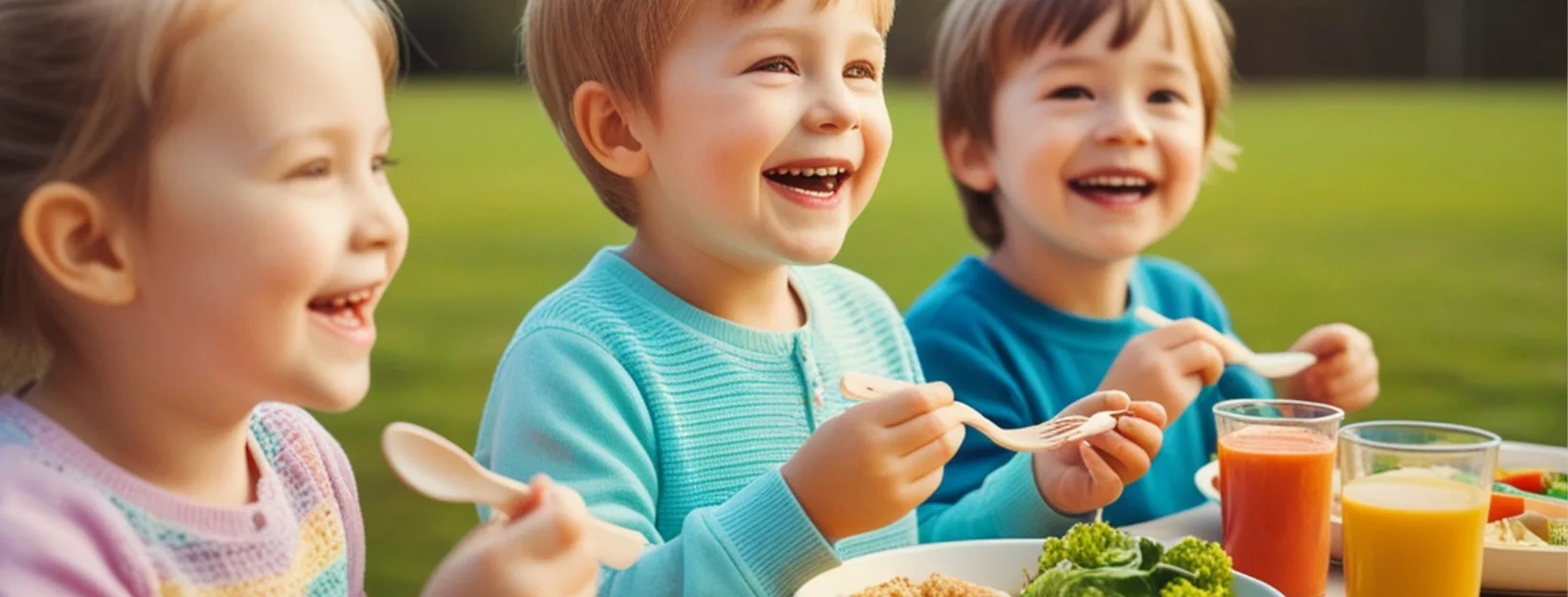
1. Feed the microbiome what it needs: diversity and fiber. 30+ different plants per week is a rule of thumb from the microbiome research community. Vegetables, fruits, whole grains, legumes, nuts, seeds, herbs — each offers different fiber types and phytochemicals that support different bacterial populations.
2. Include fermented foods regularly. Yogurt with live cultures, kefir, sauerkraut (raw, not shelf-stable), kimchi, miso, tempeh. Small amounts daily beat large amounts weekly. For kids, start with the mild options (yogurt, kefir) and expand.
3. Limit processed foods and added sugar. Both push the microbiome toward undesirable compositions and contribute to inflammation. Whole foods by default.
4. Treat antibiotics as serious interventions, not routine. Ask hard questions before each course. When they're necessary, use them. When they're marginal, explore watch-and-wait options. If a course is used, support recovery afterward with fermented foods and fiber.
5. Address constipation seriously. Chronic constipation is a major microbiome disruptor, contributes to systemic inflammation, and in kids can drive behavioral symptoms. Adequate hydration, fiber, magnesium (magnesium citrate can help), and movement. If persistent, address it with pediatric guidance — don't let it be a silent baseline.
6. Get kids outside and around microbes. Outdoor time. Dirt. Pets. Farms and gardens when possible. Microbial diversity from environmental exposure matters.
7. For specific clinical situations, consider targeted probiotics. Post-antibiotic recovery, specific pediatric conditions, and some behavioral presentations may benefit from specific probiotic strains with research support. Talk to a pediatrician familiar with this literature or an integrative practitioner — don't just grab random supermarket gummies.
8. Address food sensitivities if suspected. Food intolerances (not classical allergies) can drive gut inflammation and downstream symptoms. Common contributors: dairy (some kids), gluten (some kids), eggs, soy, corn. Short elimination-reintroduction trials can be informative — done with guidance to avoid nutritional gaps.
9. Protect sleep. Sleep and microbiome interact bidirectionally — disrupted sleep degrades microbiome function, and a disrupted microbiome degrades sleep. Sleep hygiene is gut hygiene and vice versa.
10. Manage stress — in the child and in the household. Chronic stress alters the microbiome. Family stress is your child's stress. Your own regulation is part of the environment your child's biology is responding to.
The Bottom Line
The gut-brain axis isn't fringe science anymore. It's one of the most rapidly maturing areas of neuroscience, and the implications for pediatric behavioral and mood health are substantial. A dysregulated microbiome can produce — or amplify — symptoms that get diagnosed as behavioral, attentional, or mood problems, and the intervention at the gut level can produce improvements that direct behavioral/psychological interventions couldn't touch.
This isn't a replacement for therapy, medication, or other appropriate clinical care. It's an additional axis that belongs in the conversation, especially when standard interventions aren't producing expected results.
At Avaneuro, the Gut Health module works alongside the nutrition, sleep, and environmental toxin modules precisely because these systems are linked at the biological level. A whole-system approach tends to produce disproportionately better results than addressing any one piece in isolation.
Your child's behavior starts in a lot of places. One of them is their gut. Give it the respect it deserves.
Go deeper: This article builds on Avaneuro's Gut Health & Microbiome module — the full protocols, tools, and cited evidence base.
Related reading
- Iron Deficiency in Babies: The Silent Thief of Brain Development
- Omega-3s and DHA: Why Your Child's Brain Is Starving Even If They're Well-Fed
- Why Picky Eating Is Neurological, Not Behavioral (And What to Do About It)
- Sugar, Dopamine, and the Toddler Brain: What Daily Sugar Is Doing to Your Kid
References
- Cryan, J.F., et al. (2019). The Microbiota-Gut-Brain Axis. Physiological Reviews, 99(4), 1877–2013. https://pubmed.ncbi.nlm.nih.gov/31460832/
- Dominguez-Bello, M.G., et al. (2010). Delivery Mode Shapes the Acquisition and Structure of the Initial Microbiota. Proceedings of the National Academy of Sciences, 107(26), 11971–11975. https://pubmed.ncbi.nlm.nih.gov/20566857/
- Bokulich, N.A., et al. (2016). Antibiotics, Birth Mode, and Diet Shape Microbiome Maturation During Early Life. Science Translational Medicine, 8(343), 343ra82. https://pubmed.ncbi.nlm.nih.gov/27306664/