The Avaneuro Blog

What the Research Actually Says

Evidence-based articles on child brain development. Every claim cited. Written for parents, not academics.

Nutrition7 min readJune 25, 2026

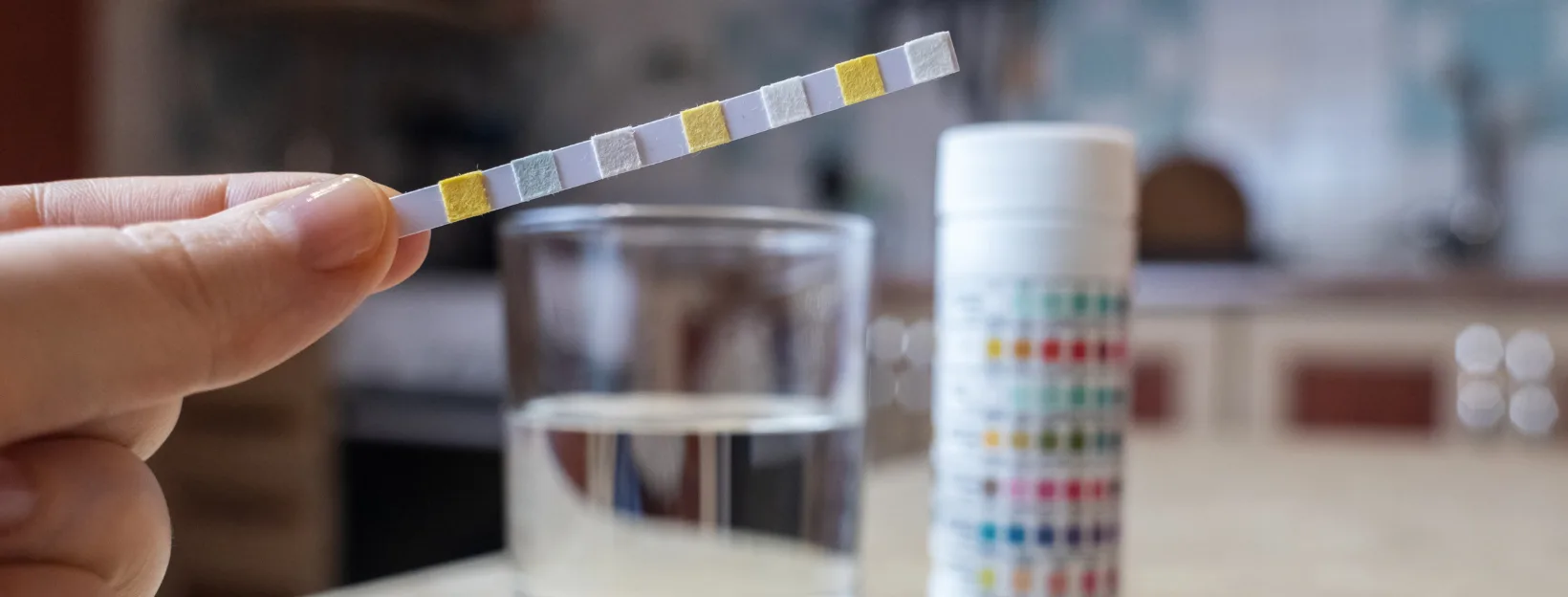
Creatine and the Developing Brain: What Parents of Low-Intake Children Need to Know

Emerging evidence suggests that children with low dietary creatine—particularly those on plant-based diets—may have more to lose from this gap than previously recognized.

Emerging evidence suggests that children with low dietary creatine—particularly those on plant-based diets—may have more to lose from this gap than previously recognized.

Read article

Nutrition7 min readJune 19, 2026

Lutein and Zeaxanthin: The Brain Nutrients Hidden in Plain Sight

Why these eye-protecting carotenoids matter just as much for your baby's developing brain — and how to make sure your child gets enough.

Why these eye-protecting carotenoids matter just as much for your baby's developing brain — and how to make sure your child gets enough.

Read article
Behavior7 min readJune 3, 2026

The Best Research-Backed Ways to Build Your Child's Emotional Resilience

Resilience isn't toughness handed down at birth. It's a skill you scaffold, one regulated moment at a time — and the research is unusually clear about what actually works.

Resilience isn't toughness handed down at birth. It's a skill you scaffold, one regulated moment at a time — and the research is unusually clear about what actually works.

Read article

Movement7 min readJune 3, 2026

The Best Research-Backed Ways to Use Movement and Nature to Build Your Child's Brain

Your child's brain was built to be calibrated by a moving body in a natural environment. Here are the highest-leverage ways to give it what it's waiting for — each one grounded in real research, not folklore.

Your child's brain was built to be calibrated by a moving body in a natural environment. Here are the highest-leverage ways to give it what it's waiting for — each one grounded in real research, not folklore.

Read article
Learning8 min readJune 3, 2026

The Best Research-Backed Ways to Build Your Child's Learning Brain

Eight things you can actually do — each one drawn from peer-reviewed neuroscience, ranked by how much it reshapes the brain, not how good it looks on a college application.

Eight things you can actually do — each one drawn from peer-reviewed neuroscience, ranked by how much it reshapes the brain, not how good it looks on a college application.

Read article

Nutrition9 min readJune 3, 2026

The Best Evidence-Based Ways to Feed Your Child's Brain

Eight things that actually move the needle on how a child's brain builds itself — pulled from the research, not the cereal box. No premium supplements. No magic powder. Just the levers that the neuroscience keeps pointing at.

Eight things that actually move the needle on how a child's brain builds itself — pulled from the research, not the cereal box. No premium supplements. No magic powder. Just the levers that the neuroscience keeps pointing at.

Read article
Sleep8 min readJune 3, 2026

The Best Research-Backed Ways to Fix Your Child's Sleep

Eight changes, every one of them backed by peer-reviewed science — ranked by how much they actually move the needle, not how popular they sound.

Eight changes, every one of them backed by peer-reviewed science — ranked by how much they actually move the needle, not how popular they sound.

Read article
Environmental11 min readJune 2, 2026

The Best Evidence-Based Ways to Reduce Your Child's Toxic Chemical Exposure

Ten household interventions, each with the research behind it. Most are one-time. Most are cheap. All of them move a number that's measured in your child's IQ points, hormones, and developing brain.

Ten household interventions, each with the research behind it. Most are one-time. Most are cheap. All of them move a number that's measured in your child's IQ points, hormones, and developing brain.

Read article

Behavior7 min readMay 28, 2026

Building Resilience: What Actually Works (Hint: Not "Letting Them Fail")

Resilience isn't built by exposing children to adversity. It's built by experiencing manageable challenge within a context of reliable support. The "what doesn't kill you makes you stronger" framing has the dose-response backwards.

The Adverse Childhood Experiences (ACEs) study found that the more adverse experiences a child has (abuse, neglect, household dysfunction), the worse…

Read article

Behavior8 min readMay 26, 2026

Emotional Regulation Is a Skill You Teach — Not a Trait They're Born With

Some kids seem to come out regulated. Others don't. The difference is partly temperament, but substantially the result of thousands of small interactions teaching the child how to notice, name, and work with their emotions.

If emotional regulation were a trait you were born with, it wouldn't respond to intervention. But it does — dramatically. Children who struggle with…

Read article

Development8 min readMay 25, 2026

Why "They'll Grow Out of It" Is the Most Dangerous Phrase in Parenting

Sometimes kids do grow out of things. Sometimes they don't, and the window for intervention closes silently. The distinction between these two scenarios is more predictable than most pediatricians acknowledge.

There's a comforting reassurance many parents have received: "Don't worry, she'll grow out of it." The behavior, the symptom, the developmental lag, the…

Read article

Behavior8 min readMay 24, 2026

The Neuroscience of Attachment: Why "Independence Training" Backfires

Children don't become independent by being forced to need their parents less. They become independent by being allowed to depend on their parents fully — and then, on their own timeline, outgrowing the need.

A certain strand of parenting advice, passed down for generations, holds that children must be trained into independence. Don't pick them up every time…

Read article

Development8 min readMay 22, 2026

Speech Delay: When to Wait and When to Act (The 18-Month Question)

"Late talkers" is a phrase doing a lot of work. Some catch up on their own. Some don't. The research on which is which — and when to intervene — is more specific than most pediatricians communicate.

Your 18-month-old isn't talking yet. Or is saying five words where peers are saying fifty. The pediatrician does a brief developmental check, maybe says…

Read article

Cognitive8 min readMay 20, 2026

Flow States in Children: The Underrated Driver of Mastery

Flow — the state of absorbed concentration where time disappears — is one of the most powerful learning states available. Kids drop into it naturally during deep play. Over-scheduled childhood is crowding it out.

"Flow" — the term coined by psychologist Mihaly Csikszentmihalyi for the state of fully absorbed, intrinsically rewarding engagement with a challenging…

Read article
Cognitive7 min readMay 19, 2026

Creativity Is a Trainable Skill. Here's the Research.

The Torrance Tests of Creative Thinking — administered to American children since the 1960s — have shown a measurable decline in creativity scores since the 1990s. The cause isn't mysterious. And the fix is known.

Most parents treat creativity as a personality trait — something their child either has or doesn't. Creative kid, analytical kid. Born artist, born…

Read article
Cognitive8 min readMay 17, 2026

Executive Function: The Single Skill That Predicts Everything

Executive function in preschool predicts adult income, marriage stability, physical health, and avoidance of legal trouble more strongly than IQ or family income. It's also explicitly teachable.

Here's a finding that should change how we think about early childhood.

Read article
Cognitive9 min readMay 16, 2026

The Neuroscience of Unstructured Play: Why Boredom Builds Better Brains

The modern parenting impulse is to fill every moment with enrichment. The brain, it turns out, needs emptiness — unscheduled, unprogrammed time in which it has to organize its own activity — to build executive function.

Modern American childhood has quietly become one of the most scheduled periods in human history. Soccer. Music lessons. Enrichment classes. Educational…

Read article

Learning8 min readMay 13, 2026

Bilingualism: The Cognitive Superpower Hiding in Plain Sight

Bilingual children aren't just "fluent in two languages." They have measurably better executive function, attention switching, and cognitive flexibility — and the effects persist into old age.

For much of the 20th century, American pediatricians and educators warned parents against raising children bilingually. The folk theory was that two…

Read article

Learning9 min readMay 11, 2026

Music Training Changes a Child's Brain. Literally.

Learning an instrument isn't just "a nice activity." Musical training produces measurable changes in brain structure and function — including in regions involved in language, attention, and executive function.

The research on music and the developing brain is one of the cleaner examples of "it actually does what people claim." Learning to play an instrument,…

Read article

Movement8 min readMay 8, 2026

Posture and Cognition: Why Slouching Costs Your Child More Than You Think

Posture isn't just aesthetic. It affects breathing, oxygen delivery, mood, attention, and eventually the structural alignment of the spine. Modern kids spend more hours slumped over devices than any generation before them.

The body your child is growing into is being shaped, in real time, by the postures they hold for hours a day. A decade spent slumped over a smartphone,…

Read article

Environmental9 min readMay 7, 2026

Sunlight, Vitamin D, and Your Child's Mood: More Than a Vitamin Story

Most American kids have insufficient vitamin D levels. Deficiency is associated with mood symptoms, immune dysfunction, and reduced cognitive performance. Sun exposure — not just supplements — is part of the solution.

Vitamin D has been rebranded so many times — bone vitamin, immune vitamin, mood vitamin — that its importance has gotten muddled. The clearer summary:

Read article

Sensory9 min readMay 5, 2026

Sensory Processing: Why Some Children Melt Down Over a Sock Seam

When a child refuses to wear a shirt because of the tag, they're not being difficult. Their sensory system is registering the tag as actually painful. Understanding sensory processing changes what the intervention should be.

Some children experience everyday sensory inputs — the seam in a sock, the tag on a shirt, the texture of mashed potatoes, the noise of a hand dryer, the…

Read article
Learning9 min readMay 3, 2026

Handwriting Builds the Brain in Ways Typing Never Will

Kids who handwrite notes learn better than kids who type them. The brain processes handwriting differently than typing — and the difference matters for reading, memory, and even creativity.

Schools across the United States have de-emphasized or abandoned cursive handwriting instruction. Many have reduced even printing practice in favor of…

Read article

Movement9 min readMay 1, 2026

Why 3 Hours Outside a Day Is Not Optional for a Child's Brain

Outdoor time is not recreation. It is a neurological input delivering circadian calibration, vitamin D synthesis, vestibular development, immune training, stress reduction, and attention restoration — none of which the indoor environment can substitute for.

A generation ago, "outside" was the default for childhood. Kids went outside after school, on weekends, during summer, after dinner. The total time…

Read article

Movement9 min readApril 30, 2026

How Movement Builds Your Child's Brain (Not Just Their Body)

Physical movement increases BDNF — brain-derived neurotrophic factor — the protein that drives neural growth and plasticity. Modern American children move about half as much as their grandparents did. The brain is paying the cost.

"Go outside and run around" used to be the default of childhood. Now it's a scheduled activity, if it happens at all. Most American elementary school…

Read article

Nutrition8 min readApril 29, 2026

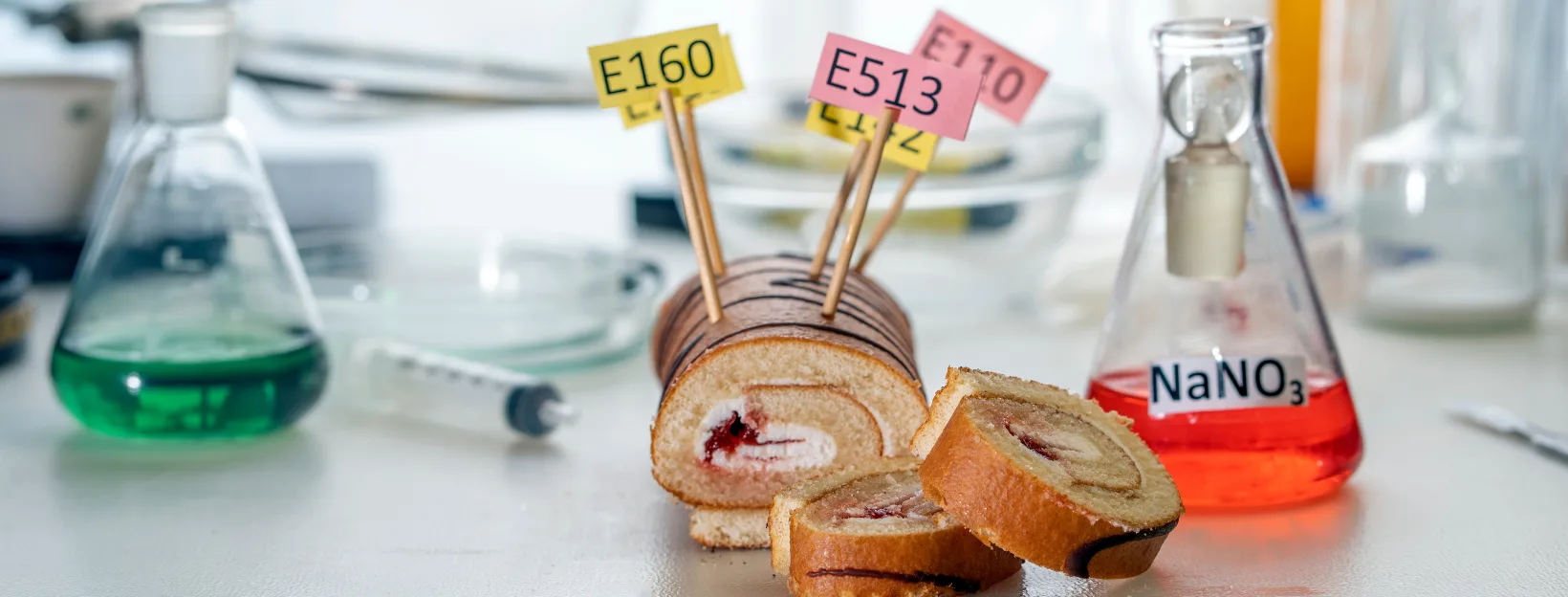
Food Dyes, Additives, and Behavior: The Evidence Finally Caught Up to the Parents

The European Union requires warning labels on foods containing certain synthetic dyes. The United States does not. A generation of parents observed behavioral effects their pediatricians dismissed. The research finally caught up.

For decades, a certain kind of parent swore their child became hyperactive, irritable, or emotionally dysregulated after eating foods containing synthetic…

Read article

Nutrition8 min readApril 27, 2026

Breast Milk Has a Circadian Rhythm. Here's Why That Matters.

Evening breast milk contains more melatonin and tryptophan. Morning breast milk contains more cortisol. Your body is literally formulating a different product depending on the time of day — and if you're pumping and bottle-feeding, the timing of what gets fed matters.

This is one of those pieces of biology that's so elegant it sounds made up, and then you realize it's in the peer-reviewed literature and most parents…

Read article

Nutrition8 min readApril 25, 2026

Breakfast, Glucose, and Classroom Performance: The Data Most Schools Ignore

The "complete breakfast" in most American kids' lives is a bowl of sugar-coated cereal and juice. By 10 AM, their blood sugar has crashed and they can't focus. By lunch, they're irritable. This pattern is not a personality issue.

Breakfast matters more for children's classroom performance than most school boards acknowledge. The research consensus is clear: eating breakfast — not…

Read article
Nutrition10 min readApril 21, 2026

The Gut-Brain Connection: Why Your Child's Behavior Might Start in Their Stomach

Ninety percent of the body's serotonin is produced in the gut. The vagus nerve runs a bidirectional communication highway between the gut and the brain. A dysregulated microbiome can show up as anxiety, attention problems, or behavioral changes.

Twenty years ago, if you suggested to a pediatrician that a child's behavioral symptoms might have something to do with their gut, you'd have gotten a…

Read article
Nutrition11 min readApril 18, 2026

Iron Deficiency in Babies: The Silent Thief of Brain Development

It is the most common nutritional deficiency in infants, and its damage to the developing brain can be permanent — even after iron levels are restored. Most pediatricians aren't testing for it until well after the damage is done.

Here is a thing that is simultaneously true, obvious, and routinely ignored in pediatric primary care:

Read article
Environmental9 min readApril 13, 2026

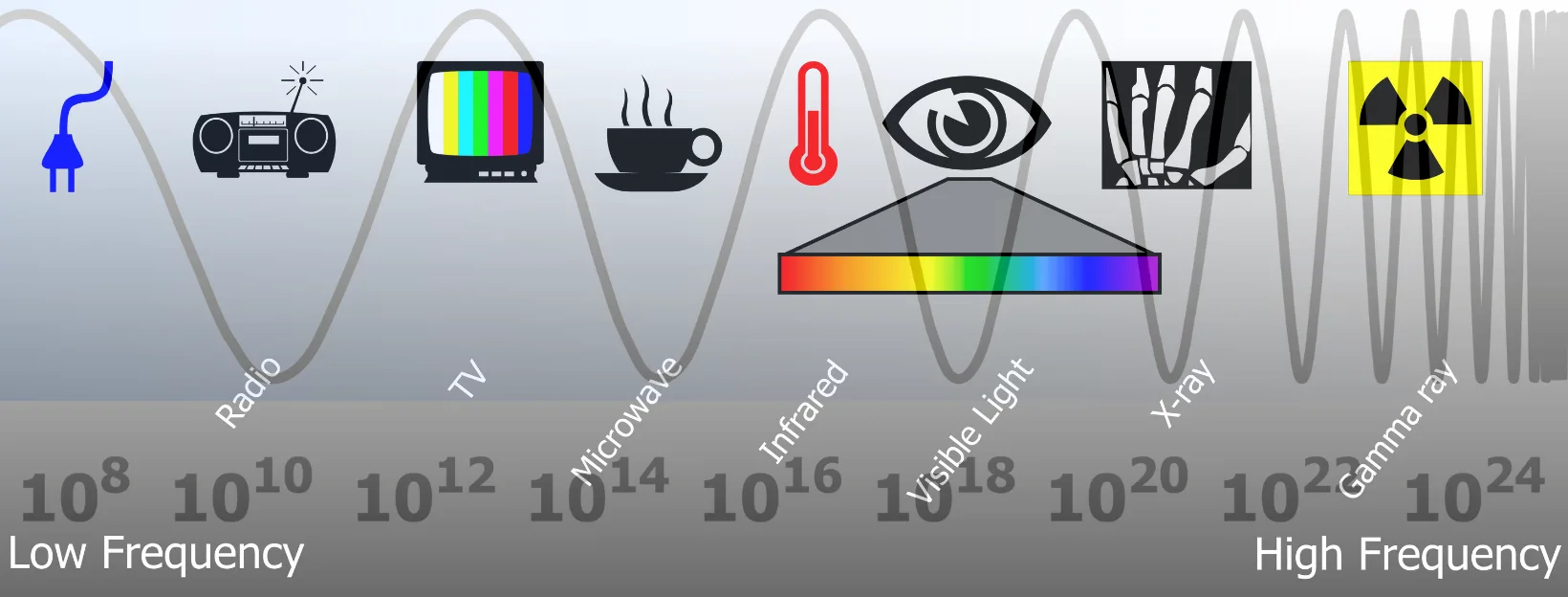
EMFs and Developing Brains: Separating the Data From the Hype

The EMF conversation has been hijacked by both sides. One camp says "it's all fine, stop worrying." The other says "it's causing everything." The useful middle is specific, measurable, and worth knowing.

Electromagnetic fields (EMFs) are an area where the information environment is uniquely unhelpful. Mainstream medical guidance tends toward reassurance…

Read article
Environmental9 min readApril 12, 2026

Cleaning Products Are Destroying Your Child's Microbiome

The antibacterial "kitchen cleaner" you're spraying three times a day is not just removing germs — it's rearranging the microbial ecosystem your child's immune system and brain depend on.

A century ago, most childhood illness came from microbial exposures: tuberculosis, polio, diphtheria, cholera, dysentery. Public health investments in…

Read article
Environmental8 min readApril 10, 2026

Personal Care Products Are a Hormonal Disaster for Kids. Here's What to Replace First.

The European Union has banned or restricted over 1,500 chemicals from personal care products. The United States has restricted about 30. Everything else is fair game for what's in your kid's shampoo.

The regulation gap between the EU and the US for personal care is one of the cleanest illustrations of how permissive the American consumer-product system…

Read article
Environmental8 min readApril 8, 2026

Your Tap Water Is Not as Clean as You Think: A Parent's Guide to Water Contaminants

The EPA regulates about 90 contaminants. The Environmental Working Group has detected over 300 in American tap water. The gap between what's legal and what's safe is larger than most parents realize.

Most families in the U.S. drink municipal tap water on the assumption that because it's delivered by a utility, tested to federal standards, and…

Read article
Environmental10 min readApril 5, 2026

Fluoride and IQ: What the Meta-Analysis Actually Says

In 2024, the U.S. government's own National Toxicology Program concluded that fluoride is "presumed to be a cognitive neurodevelopmental hazard to humans." Your tap water is probably still fluoridated. Here's what changed.

For about 70 years, questioning water fluoridation was sociologically unacceptable. The dental establishment insisted it was safe and effective. The CDC…

Read article
Environmental11 min readApril 4, 2026

Phthalates and Endocrine Disruptors: The Hormones Your Child's Toys Are Changing

Your child's pajamas, the shower curtain, the rubber ducky, the mattress cover, the "new car smell" — these are not passive decorations. They are active hormone inputs, and the developing endocrine system can't tell the difference between its own signals and theirs.

Here's the thing about endocrine disruption that takes most people a minute to internalize: the developing human body doesn't have a special filter that…

Read article
Environmental10 min readApril 2, 2026

The Pesticide-ADHD Connection: What Organophosphates Do to a Child's Brain

Every 10-fold increase in prenatal organophosphate exposure drops a child's IQ by 5.5 points. These compounds were originally developed as nerve agents for chemical warfare. We spray them on the food your kid eats.

If you wanted to design a chemical specifically engineered to derail a child's neurological development, you'd want it to:

Read article
Environmental10 min readApril 1, 2026

Mold and the Developing Brain: Why Mycotoxins Are an Under-Diagnosed Cause of Behavior Problems

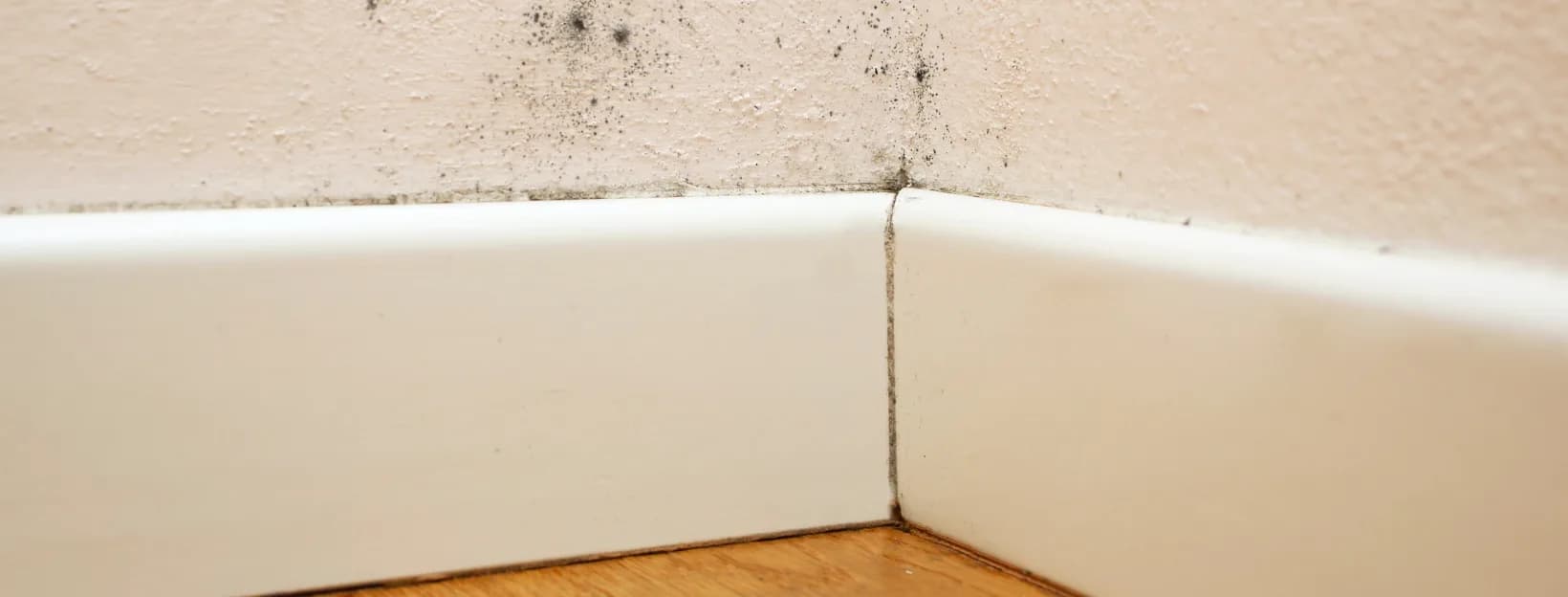
Visible mold in a home reliably predicts childhood asthma. Less visible mold — the kind growing behind drywall or inside an HVAC system — can drive chronic inflammation and cognitive symptoms that most pediatricians won't connect to the building.

Here's a clinical scenario that plays out in pediatric offices thousands of times a year and usually ends in the wrong diagnosis:

Read article
Environmental12 min readMarch 30, 2026

VOCs from Furniture and Paint Are Measurably Hurting Your Child's IQ

The EPA estimates indoor air is 2-5x dirtier than outdoor air — up to 100x worse for specific pollutants. Your new couch, your fresh paint, and the "air freshener" in the hall are all actively contributing.

You bought the couch. You were careful — read some reviews, paid more than you wanted to, got it delivered. It arrived with that distinctive "new…

Read article
Environmental10 min readMarch 28, 2026

Mercury, Fish, and Your Child's Developing Brain: What's Safe and What's Not

Fish are one of the best brain foods on the planet. Some of them are also one of the worst neurotoxic exposures your child will ever have. The two facts coexist, and the distinction matters enormously.

Pediatric nutrition advice around fish is a mess of mixed signals. The American Heart Association tells you to eat more fish. The EPA tells pregnant women…

Read article
Environmental12 min readMarch 27, 2026

Lead Is Still in Your House. Here's Where to Look.

There is no safe level of lead exposure. The EPA permits 15x more lead in your drinking water than pediatricians say is acceptable. And the biggest exposures in modern American homes are nowhere near where most parents are looking.

The lead paint got banned in 1978. The leaded gasoline got phased out in the '80s. The problem is handled, right?

Read article
Sleep10 min readMarch 24, 2026

Blue Light, Melatonin, and Your Child's Circadian Rhythm: A Parent's Guide

The 2017 Nobel Prize was awarded for discovering the molecular clock inside every cell of your body. Your child has one too, and it is being systematically dismantled by the way modern life is lit.

In 2017, the Nobel Prize in Physiology or Medicine was awarded to three researchers — Jeffrey Hall, Michael Rosbash, and Michael Young — for discovering…

Read article
Sleep10 min readMarch 21, 2026

Why Your Child Gets Hyper When They're Tired (And What to Do About It)

Adults get sluggish when we're tired. Children do the opposite. The mechanism is cortisol, and once you see it, every bedtime battle makes sense.

Your four-year-old has been awake since 6:30 AM. It's now 7:45 PM, which is 45 minutes past their reasonable bedtime. They are, at this moment, running…

Read article
ADHD13 min readMarch 18, 2026

Your Child Doesn't Have ADHD. They Have a Sleep Problem.

Sleep deprivation in a neurotypical child produces symptoms indistinguishable from ADHD. Roughly 73% of ADHD kids also have a clinically significant sleep problem. Nobody is testing for the second one before diagnosing the first.

A child walks into a pediatrician's office. They can't sit still. They interrupt constantly. They're impulsive, emotionally volatile, and falling behind…

Read article

Want the full program? 54 modules, 287 lessons, 140 tools — all backed by peer-reviewed research.

Get Your Personalized Program