Food Dyes, Additives, and Behavior: The Evidence Finally Caught Up to the Parents
The European Union requires warning labels on foods containing certain synthetic dyes. The United States does not. A generation of parents observed behavioral effects their pediatricians dismissed. The research finally caught up.
For decades, a certain kind of parent swore their child became hyperactive, irritable, or emotionally dysregulated after eating foods containing synthetic dyes. Red 40, Yellow 5, Yellow 6 — the bright colors in many cereals, candies, beverages, and even some medications. Parents would notice a pattern. Pediatricians would wave them off: "no evidence for that."
The research has now caught up with those observations.
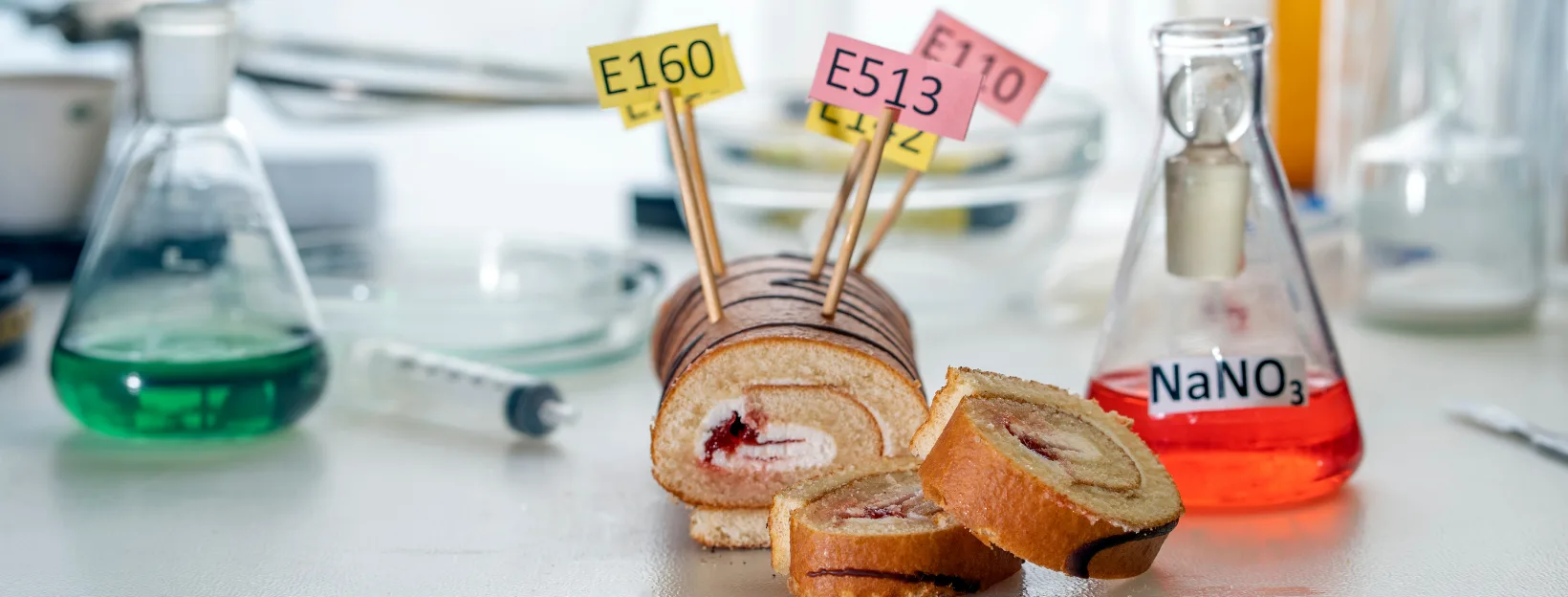
In 2007, the "Southampton Study" in The Lancet demonstrated that common synthetic food dye combinations, combined with sodium benzoate (a common preservative), produced significant increases in hyperactivity in children compared with placebo — in the general population, not just in kids with pre-existing ADHD diagnoses. (1)
In response, the European Union passed regulations requiring products containing certain synthetic dyes to carry warning labels stating: "May have an adverse effect on activity and attention in children." Many European manufacturers simply reformulated to avoid the warning label requirement.
In the United States, the same dyes remained in the same products, unflagged, for another decade plus. The FDA's position was that the evidence was insufficient to warrant similar labeling. California finally passed state-level legislation in 2023 banning certain dyes from foods served in public schools — the first significant U.S. action.
A 2012 meta-analysis published in the American Journal of Psychiatry confirmed the Southampton findings: synthetic food colorings have measurable effects on hyperactivity in children, with larger effects in children with pre-existing ADHD but measurable effects even in neurotypical children. (2)
The practical implication for parents: the "my kid goes nuts after red candy" observation is not parent-as-unreliable-narrator. It's a mechanism the regulatory system has been slow to act on and the broader pediatric community has been slow to take seriously.
The Specific Compounds
The synthetic dyes most implicated:
- FD&C Red No. 40 (Allura Red) — by far the most widely used synthetic red dye in the U.S.
- FD&C Yellow No. 5 (Tartrazine)
- FD&C Yellow No. 6 (Sunset Yellow)
- FD&C Red No. 3 (Erythrosine) — banned in cosmetics but still allowed in food in the U.S. as of early 2024 (FDA banned in food in January 2025; implementation is ongoing)
- FD&C Blue No. 1 (Brilliant Blue)
- FD&C Blue No. 2 (Indigo Carmine)
- FD&C Green No. 3 (Fast Green)
The "additives" that often appear alongside these in the same products:
- Sodium benzoate — preservative, Southampton Study co-component
- Butylated hydroxyanisole (BHA) and BHT — antioxidant preservatives with other documented concerns
- Artificial sweeteners (aspartame, sucralose)
- MSG and its many aliases — documented sensitivity in subset of children
- Various emulsifiers and stabilizers — emerging concerns about microbiome effects
The point isn't that every additive is dangerous. It's that the cumulative load of synthetic additives in highly processed children's food is substantially higher than in the food supply of a generation ago, and the behavioral literature increasingly supports that some of these have real effects on a subset of children.
The Myths That Are Costing You
Myth #1: "The 'sugar makes kids hyper' thing was debunked, so food dyes are probably the same."
Different questions. The "sugar makes kids hyper" mass study did fail to find a direct causal effect of sugar per se on behavior in controlled experiments. That's not the same as food dyes, which are a specific, chemically distinct category that have been studied directly. The Southampton Study and subsequent meta-analyses are specifically on dyes, not sugar. (1, 2)
Parents conflated sugar and dyes because the foods containing them overlap heavily — most kid-targeted sweet foods contain both. The research has since disentangled them: sugar per se shows mixed behavioral effects; synthetic dyes show more consistent behavioral effects in subsets of children.
Myth #2: "If my kid doesn't seem affected, I don't need to worry."
Some children are markedly more sensitive than others. The Southampton Study found effects in the general population, but the magnitude varies substantially across individual kids. If your child doesn't show obvious reactions, the case for elimination is weaker. But the underlying food-quality argument — that highly processed, additive-heavy food isn't great for anyone — still applies.
Myth #3: "Natural dyes are just as bad."
Most natural color sources — beet juice, turmeric, annatto, spirulina, carotenoids — don't have the same behavioral signal as synthetic dyes. They're generally recognized as safe with long histories of food use. The subset of kids with true sensitivity to annatto (which has been documented) is small. The general pattern: natural colorings are much less concerning than synthetic petroleum-derived ones.
Myth #4: "Medications don't count."
Many pediatric medications — liquid antibiotics, acetaminophen, ibuprofen, vitamins, cough syrups — contain synthetic dyes. For a child with dye sensitivity, the medication is an overlooked exposure. Dye-free versions of most common pediatric medications exist, often at similar cost. Ask for them.
The Numbers That Matter
| What's happening | The data | Source |
|---|---|---|
| Southampton Study | Significant increase in child hyperactivity with common food dye combinations | (1) |
| Meta-analysis of food colorings and ADHD | Small but consistent effect in general population, larger in ADHD cohorts | (2) |
| EU regulatory response | Warning labels required on products with certain dyes | European Parliament Regulation 1333/2008 |
| U.S. regulatory response | Only recent state-level action (California 2023, Red 3 FDA action 2025) | Regulatory records |
| Dye variability in sensitivity | Subset of children show dramatic behavioral effects | Clinical observation + (2) |
Wait, Really? It's in More Products Than You Think
An audit of an average American grocery cart with young children will reveal synthetic dyes in:
- Nearly all brightly colored cereals
- Many yogurts (including some labeled as "natural")
- Most packaged snack foods (chips, crackers, cookies, bars)
- Juice boxes and flavored milks
- Candy (virtually all mass-market candy)
- Flavored oatmeal packets
- Many condiments (including some mustards and salad dressings)
- Pickles and pickled vegetables (Yellow 5 for color enhancement)
- Many frozen meals and packaged dinners
- Pediatric medications (as noted above)
- Toothpaste for children
- Popsicles, ice cream treats, freezer pops
- Vitamins and gummy supplements
Removing synthetic dyes from a typical American child's diet isn't just avoiding red candy. It's a systematic shift in what gets bought and which products get selected. Brands that have reformulated without synthetic dyes exist across most categories — they're typically slightly more expensive and less aggressively marketed.
The Avaneuro Food Quality module includes the brand substitution list — because "read every label" is exhausting and "these are the brands that have done it already" is practical.
What Actually Works
1. Read the ingredient list, not the front of the package. "FD&C Red No. 40," "Yellow 5," "Blue 1," "artificial colors" — these are the flags. "Colors from natural sources" is fine.
2. Do a two-week elimination trial if behavior concerns are present. Systematic removal of synthetic dyes for two weeks, careful observation of any change in mood, behavior, attention, sleep. Reintroduction after the window to confirm or refute. This is a no-cost experiment that reveals whether your specific child is in the sensitive subset.
3. Shift the brand list in high-dye categories. Yogurts (plain + fruit beats strawberry with dyes). Cereals (look for zero added colors). Condiments (check ketchup and mustard labels). Snacks (many dye-free options exist across categories).
4. Ask for dye-free medications. Pediatric liquid medications frequently come in dye-free versions. Your pharmacist can usually find them. Same for children's vitamins and supplements.
5. Reduce ultra-processed food generally. The biggest dye exposure correlates heavily with ultra-processed food consumption. Shifting the household baseline toward whole foods, home-cooked meals, and fewer packaged items handles dyes and many other concerns simultaneously.
6. For special occasions, don't make it weird. A cupcake at a birthday party with red frosting isn't going to destroy your child. The cumulative daily baseline matters more than any single event. Don't create a food-anxiety relationship by eliminating so hard that your child feels different at every social event.
7. Model non-reactive eating around treats. If a dye-containing food is consumed occasionally, engage with it normally rather than flagging it. The relationship with food is as important as the content.
8. Support for sensitive kids is real. For kids who show marked reactions, removal is legitimately therapeutic. The research supports that a subset of kids respond dramatically to dye removal. If your child is one of them, the elimination is worth the effort.
The Bottom Line
The synthetic food dye conversation is a rare case where parents' observational reports substantially preceded — and then ended up being confirmed by — the regulatory and clinical framework. The Southampton Study and subsequent research have validated what many parents noticed informally: for a significant subset of children, synthetic dyes affect mood, attention, and behavior, often noticeably.
The intervention is a reading-the-label habit and brand adjustments in a few common product categories. It doesn't require elimination of treats or social isolation from kids' birthday parties. It does require knowing what's in what, and making different defaults at the grocery store.
At Avaneuro, the Food Quality and ADHD & Neurodevelopment modules both cover synthetic dye elimination — because the evidence supports that it's one of the cheaper, easier behavioral-baseline interventions available to many families, and because the U.S. regulatory environment has been slow enough that parents are essentially the front line.
If your kid's mood seems to deteriorate after the red drink or the rainbow candy, they might be right. Try two weeks. See.
Go deeper: This article builds on Avaneuro's Food Quality & Sourcing module — the full protocols, tools, and cited evidence base.
Related reading
- Iron Deficiency in Babies: The Silent Thief of Brain Development
- Omega-3s and DHA: Why Your Child's Brain Is Starving Even If They're Well-Fed
- The Gut-Brain Connection: Why Your Child's Behavior Might Start in Their Stomach
- Why Picky Eating Is Neurological, Not Behavioral (And What to Do About It)
References
- McCann, D., et al. (2007). Food Additives and Hyperactive Behaviour in 3-Year-Old and 8/9-Year-Old Children in the Community: A Randomised, Double-Blinded, Placebo-Controlled Trial. The Lancet, 370(9598), 1560–1567. https://pubmed.ncbi.nlm.nih.gov/17825405/
- Nigg, J.T., et al. (2012). Meta-Analysis of Attention-Deficit/Hyperactivity Disorder or Attention-Deficit/Hyperactivity Disorder Symptoms, Restriction Diet, and Synthetic Food Color Additives. American Journal of Psychiatry / Journal of the American Academy of Child and Adolescent Psychiatry, 51(1), 86–97. https://doi.org/10.1176/appi.ajp.2012.12070991