
Flow States in Children: The Underrated Driver of Mastery
Flow — the state of absorbed concentration where time disappears — is one of the most powerful learning states available. Kids drop into it naturally during deep play. Over-scheduled childhood is crowding it out.
"Flow" — the term coined by psychologist Mihaly Csikszentmihalyi for the state of fully absorbed, intrinsically rewarding engagement with a challenging task — turns out to be one of the most powerful learning states available to humans. In flow, attention is fully engaged, self-consciousness disappears, time distorts, and learning happens at rates that distracted or forced engagement rarely produces. (1)
Children drop into flow states naturally during deep play, absorbed creative work, and challenging-but-achievable skill practice. Watch a child deeply engaged in building a Lego creation, exploring a tide pool, practicing a physical skill, reading a gripping book, or playing an immersive game — that's flow. Their attention is complete. Time disappears. They resent interruption.
Flow matters for development for several reasons:
- Learning in flow is deeper. Skills practiced in flow consolidate faster and more durably than skills practiced in distracted or forced states.
- Flow is intrinsically rewarding. Kids who experience flow regularly develop the motivation to pursue activities for their own sake, not for external reward.
- Flow supports mastery. Sustained flow experiences are how humans develop high skill in any domain — musical instruments, athletics, academic subjects, crafts, games.
- Flow is associated with wellbeing. Regular flow experiences predict higher life satisfaction and lower depression across age groups.
And modern childhood is crowding flow out. Constant scheduling interrupts the long absorbed sessions flow requires. Fragmented attention (notifications, multiple devices, task-switching) trains the opposite pattern. Over-evaluation ("how are you doing? what are you learning?") breaks the absorbed state. Passive entertainment substitutes for the challenging-but-achievable engagement that produces flow.
The parents who protect their child's capacity for flow are giving them a disproportionately valuable cognitive skill.
The Conditions for Flow
Flow doesn't happen randomly. It emerges from specific conditions:
1. Clear goals. The child knows what they're trying to do. "Build the tall tower." "Finish the chapter." "Make the shot."
2. Immediate feedback. The child can tell how they're doing in the moment. The tower either stands or falls; the shot goes in or doesn't.
3. Balance between challenge and skill. The task is hard enough to require engagement but achievable with effort. Too easy → boredom. Too hard → anxiety. Flow lives in the narrow band between.
4. Sustained time. Flow takes time to enter — usually 10–15 minutes of engagement before the absorbed state fully establishes. Interruption at 5 minutes prevents flow from forming.
5. Minimized distractions. Flow requires complete attention. Environments with competing demands (notifications, background TV, multiple simultaneous tasks) prevent flow.
6. Intrinsic motivation. Flow happens when the activity itself is engaging, not when external rewards are driving it. A kid who practices piano for a sticker is unlikely to enter flow; a kid practicing piano because they want to play a specific piece well is.
Each of these conditions can be supported at home. Conversely, each can be disrupted by well-intentioned parenting that interrupts the child's absorbed engagement with questions, prompts, redirection, or reward systems.
At Avaneuro, the Flow States & Peak Performance module is in the premium content because this is one of the higher-leverage but under-discussed dimensions of developmental support.
The Myths That Are Costing You
Myth #1: "Any activity they enjoy is flow."
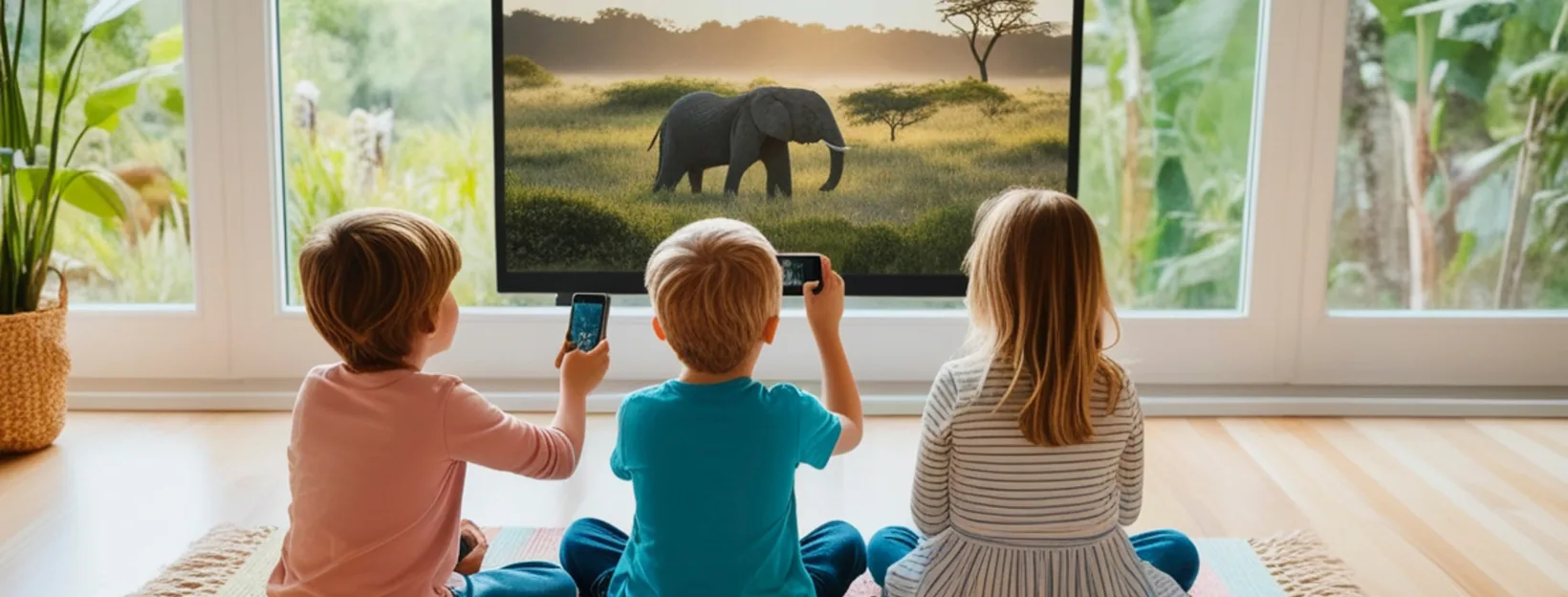
Not quite. Watching TV is enjoyable but generally isn't flow. Flow requires engagement with challenge — active skill deployment, not passive consumption.
The distinguishing question: is your child actively working at something, or passively receiving stimulation? Working at something → flow potential. Receiving stimulation → not flow, even if pleasurable.
Myth #2: "Good parenting means actively engaging with your child constantly."
Constant parental engagement, counterintuitively, can prevent flow. A child in deep absorbed play interrupted every few minutes by parental questions or prompts ("What are you doing? Is that fun? Can I help?") never establishes flow.
The flow-friendly parenting posture: observant but non-interrupting. Available but not constantly prompting. Present but not always engaged.
Myth #3: "Rewards increase motivation."
For routine tasks, sometimes. For flow-inducing activities, rewards can undermine intrinsic motivation. The extensive "overjustification effect" research shows that externally rewarding activities that were previously intrinsically motivating reduces intrinsic motivation to engage in those activities. (2)
Paying a child for reading reduces their love of reading over time. Giving stickers for practicing piano reduces internal motivation to practice. The reward "tells" the child that the activity must not be valuable in itself or reward wouldn't be needed.
Myth #4: "Video games aren't really flow."
Many video games are explicitly designed to produce flow — clear goals, immediate feedback, skill-challenge balance, sustained engagement. The flow is real; the concern is what kind of skills are being developed.
A child in flow with Minecraft creative mode is practicing planning, spatial reasoning, and creative design. A child in flow with a first-person shooter is practicing reaction time and target tracking. A child in flow with a well-designed educational game might be practicing math fluency. The flow mechanics work; the substantive skills depend on the game.
This is not a blanket endorsement of gaming — other concerns (sleep displacement, physical activity displacement, social displacement, screen time concerns covered in the screen time article) remain. But "video game flow isn't real flow" isn't accurate.
The Numbers That Matter
| What's happening | The data | Source |
|---|---|---|
| Flow concept | Documented psychological state with consistent characteristics across domains | (1) |
| Intrinsic vs. extrinsic motivation | External rewards can undermine intrinsic motivation | (2) |
| Flow and skill development | Sustained flow experiences associated with expert skill development | (3) |
| Flow and wellbeing | Regular flow experiences associated with higher life satisfaction | (1) |
Wait, Really? Parent Interruption Is a Thief
Here's a reframe that changes parental behavior for many families.
When a child is deeply absorbed in an activity — building, reading, drawing, practicing, playing — the parental urge to check in, comment, praise, or redirect feels like attentive parenting. "How's it going? That looks great! Do you need a snack? Should we get ready for bed soon?"
From the flow perspective, each interruption costs the child the 10–15 minutes of entry time back into absorbed engagement. A child interrupted 3 times in an hour of "free time" probably never entered flow. A child left alone with their absorbed activity for the same hour may have been in flow for 40+ minutes.
The non-interrupting parent who notices the absorbed state and protects it — delaying snacks, meals, or scheduled events by 20 minutes to let the state complete naturally — is providing one of the more valuable developmental inputs available.
Counterintuitive, but important: sometimes the best parenting in the moment is to not parent. To observe, notice the flow, and let it happen.
The Avaneuro Flow States module includes the specific practices for protecting childhood flow within family life.
What Actually Works
1. Protect long blocks of unstructured time. Flow takes time. Fragmented schedules prevent it. Protect multi-hour blocks when possible.
2. Notice when your child is absorbed, and don't interrupt. Observe rather than engage. Let the session complete naturally before your next prompt.
3. Match activities to the challenge-skill balance. Too-easy activities bore; too-hard activities frustrate. Flow-friendly activities are at the edge of current capability. This is why age-appropriate games, sports, and instruments produce so much flow.
4. Reduce distractions in the environment. Phones on silent. TV off. Minimize interruptions from siblings, pets, deliveries. A quiet environment is more flow-conducive than a stimulating one.
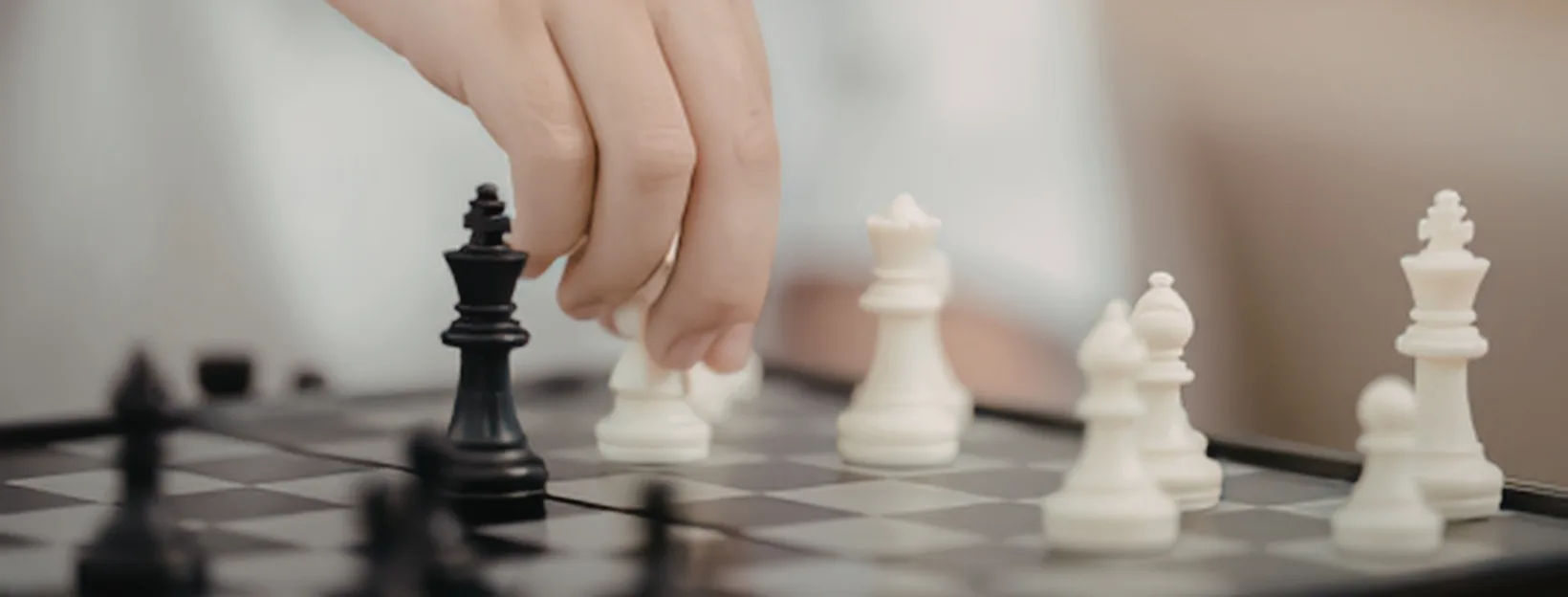
5. Limit external rewards for intrinsically engaging activities. Don't pay for reading, don't sticker-chart piano practice, don't bribe for chess. Let the activity reward itself.
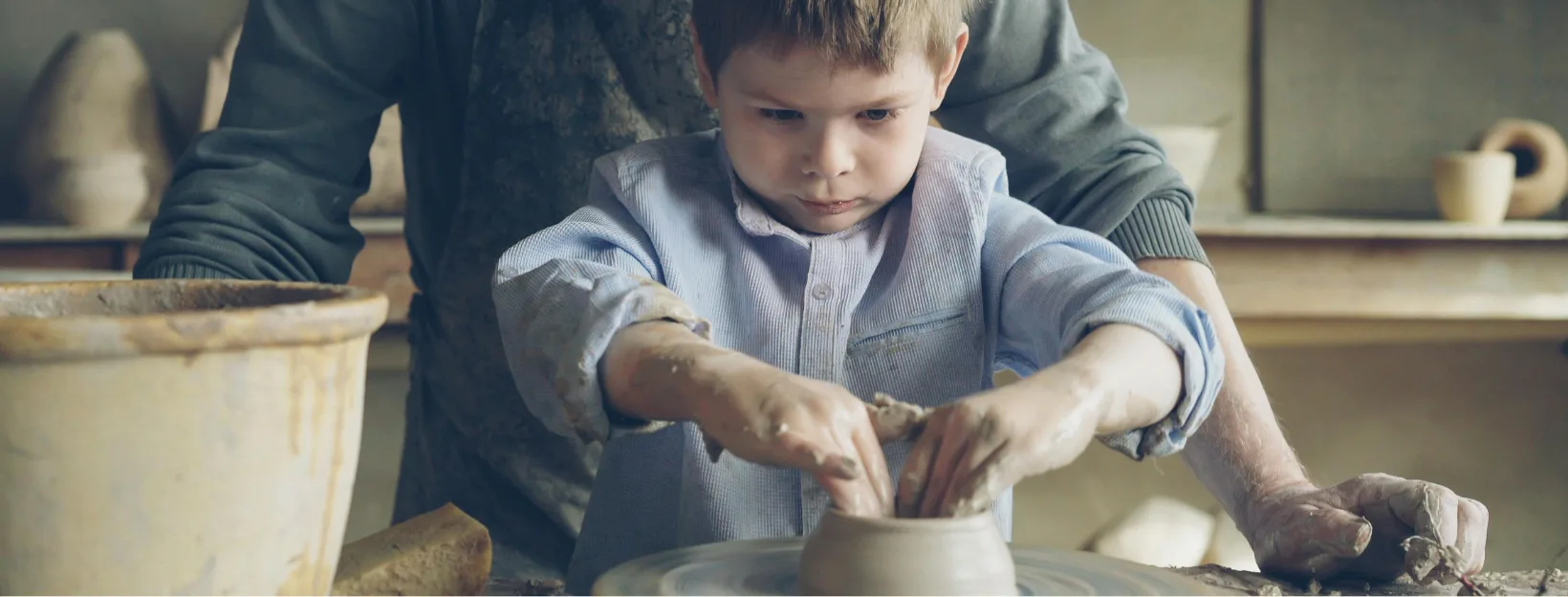
6. Cultivate domains of mastery. Sports, instruments, crafts, skills. Domains with clear skill progression produce sustained flow over years. Pick one or two and support deep engagement rather than broad shallow exposure.
7. Share flow as a family. Parents who model flow — absorbed in hobbies, craft, reading, music — transmit this as normal. A family where adults scroll phones and never engage deeply with anything produces children for whom flow is alien.
8. For school-age kids, protect homework quality over quantity. Long deep engagement with one thing beats distracted multitasking across several. Phones away during homework. One subject at a time. Timer-based focus sessions (Pomodoro).
9. Let them quit when it's really wrong, but push through minor friction. Flow sometimes requires working through initial difficulty. A kid who bails at the first sign of hard never enters flow. A kid forced to continue when the activity is fundamentally wrong for them also doesn't develop flow. The line is judgment.
10. Reduce screen content that prevents flow. Fast-paced, algorithmic, reward-dense content trains the opposite of flow — fragmented attention and shallow engagement. Protect the attentional substrate that flow requires.
The Bottom Line
Flow is one of the high-leverage states for developmental benefit that most parents aren't consciously supporting. It emerges from specific conditions — protected time, reasonable challenge, minimal distraction, intrinsic motivation — and its effects on learning, skill development, and wellbeing are substantial.
Modern childhood has crowded flow out with schedules, evaluations, rewards, fragmented attention, and passive content. But flow isn't extinct; it's simply under-supported. Families that protect the conditions see their children develop deeper skills, stronger motivation, and more satisfied engagement with what they do.
At Avaneuro, the Flow States module is practical: how to notice flow in your child, how to protect it, how to design environments that support it, how to select activities that produce it at each age. Because the parenting move isn't to drive flow — it's to stop interrupting it.
Watch your child. When they're absorbed, don't interrupt. That's the whole protocol, most of the time.
Go deeper: This article builds on Avaneuro's Attention & Focus Development module — the full protocols, tools, and cited evidence base.
Related reading
- Working Memory Is the #1 Predictor of School Success. Here's How to Build It.
- The Neuroscience of Unstructured Play: Why Boredom Builds Better Brains
- Executive Function: The Single Skill That Predicts Everything
- Creativity Is a Trainable Skill. Here's the Research.
References
- Csikszentmihalyi, M. (1990). Flow: The Psychology of Optimal Experience. Harper & Row. Foundational overview of flow research.
- Deci, E.L., et al. (1999). A Meta-Analytic Review of Experiments Examining the Effects of Extrinsic Rewards on Intrinsic Motivation. Psychological Bulletin, 125(6), 627–668. https://pubmed.ncbi.nlm.nih.gov/10589297/
- Ericsson, K.A., et al. (1993). The Role of Deliberate Practice in the Acquisition of Expert Performance. Psychological Review, 100(3), 363–406. https://doi.org/10.1037/0033-295X.100.3.363