
Mercury, Fish, and Your Child's Developing Brain: What's Safe and What's Not
Fish are one of the best brain foods on the planet. Some of them are also one of the worst neurotoxic exposures your child will ever have. The two facts coexist, and the distinction matters enormously.
Pediatric nutrition advice around fish is a mess of mixed signals. The American Heart Association tells you to eat more fish. The EPA tells pregnant women to limit certain fish. Some pediatricians say to avoid fish altogether in pregnancy. Some say the omega-3s are worth the mercury tradeoff. Consumer Reports does an investigation every few years that contradicts whatever the last one said.
Here's the actual story, underneath the conflicting guidance:
Fish contains DHA and EPA — the dominant structural fats in the human brain — in a form more bioavailable than almost any other dietary source. Infant and child brain development is measurably better with adequate DHA intake. Fish is the best food source.
Some fish — specifically large, long-lived predators — concentrate methylmercury to levels that are measurably neurotoxic to developing brains. The Faroe Islands studies and others have documented persistent cognitive deficits from prenatal methylmercury exposure even at levels previously considered "safe." (1)
Both are true. Which means the question isn't "is fish good or bad?" The question is: which fish, how much, at what ages?
The answer is more specific than most pediatric advice makes it. And getting it right matters, because the downside of getting it wrong goes in both directions: too much mercury exposure damages the brain; too little DHA fails to build it properly.
What Methylmercury Actually Does
Mercury comes in several forms with different toxicity profiles. The one in fish is methylmercury, formed when bacteria in aquatic environments convert inorganic mercury (industrial pollution, coal burning, natural volcanic activity) into its organic, bioaccumulative version.
Methylmercury's problem in biology:
- It crosses the placenta efficiently. Fetal blood mercury levels can exceed maternal levels. The developing brain concentrates mercury while the mother's own tissues are trying to protect themselves. (1)
- It crosses the blood-brain barrier. Easily, in both adults and children, but especially in children whose barrier is less mature.
- It depletes selenium. Selenium is an essential antioxidant cofactor. Mercury binds to selenium preferentially, pulling it away from its normal function and leaving cells more vulnerable to oxidative damage.
- It damages neuron scaffolding. Microtubules — the structural proteins neurons use to transport materials along their length — are disrupted by mercury at low doses.
- It triggers neuroinflammation. Mercury activates microglia, the brain's immune cells, producing chronic low-grade inflammation in neural tissue.
The Faroe Islands cohort — a long-running study of children whose mothers ate pilot whale meat (extremely high in mercury) during pregnancy — documented persistent deficits in attention, memory, language, and visual-spatial processing, even at exposure levels that had been considered safe by regulatory standards. (1)
Later studies in the Seychelles with populations eating more ordinary fish found less clear signal — and the scientific consensus has settled on something like: high-mercury fish consumption in pregnancy and early childhood is a genuine concern; moderate intake of low-mercury fish delivers more benefit than harm.
The way to win both sides of this tradeoff is to know which fish falls into which bucket.
The Fish Hierarchy
For children and pregnant women, fish can be divided into three tiers:
Avoid (high mercury):
- Shark
- Swordfish
- King mackerel
- Tilefish (Gulf of Mexico)
- Bigeye tuna
- Orange roughy
- Marlin
Limit (moderate mercury):
- Albacore ("white") tuna — limit to ~6 oz/week for adults, less for children
- Yellowfin tuna
- Grouper
- Halibut
- Mahi mahi
- Snapper
- Sea bass
Enjoy (low mercury, high omega-3):
- Salmon (wild Alaskan is best, farmed is acceptable)
- Sardines
- Anchovies
- Herring
- Atlantic mackerel (different species from king mackerel)
- Rainbow trout (freshwater farmed)
- Pollock
- Cod
- Canned light tuna (lower mercury than albacore)
- Shrimp
- Oysters, clams, mussels
The rule of thumb: small, short-lived fish concentrate far less mercury than large, long-lived predators. A sardine is near the bottom of the food chain and lives two years. A swordfish is a top predator that accumulates mercury from everything it eats for 8–10 years. The difference in mercury load is typically 10–50x.
The FDA and EPA joint advisory (current as of 2024) recommends pregnant women and young children eat 2–3 servings per week from the "best choices" list, 1 serving per week if from the "good choices" list, and avoid the "choices to avoid" list entirely. (2)
At Avaneuro, the infant and toddler nutrition modules lay this out with specific age-staged serving sizes — because "eat more fish" is underspecified, and "avoid fish" throws away one of the best brain-food sources in the human diet.
The Myths That Are Costing You
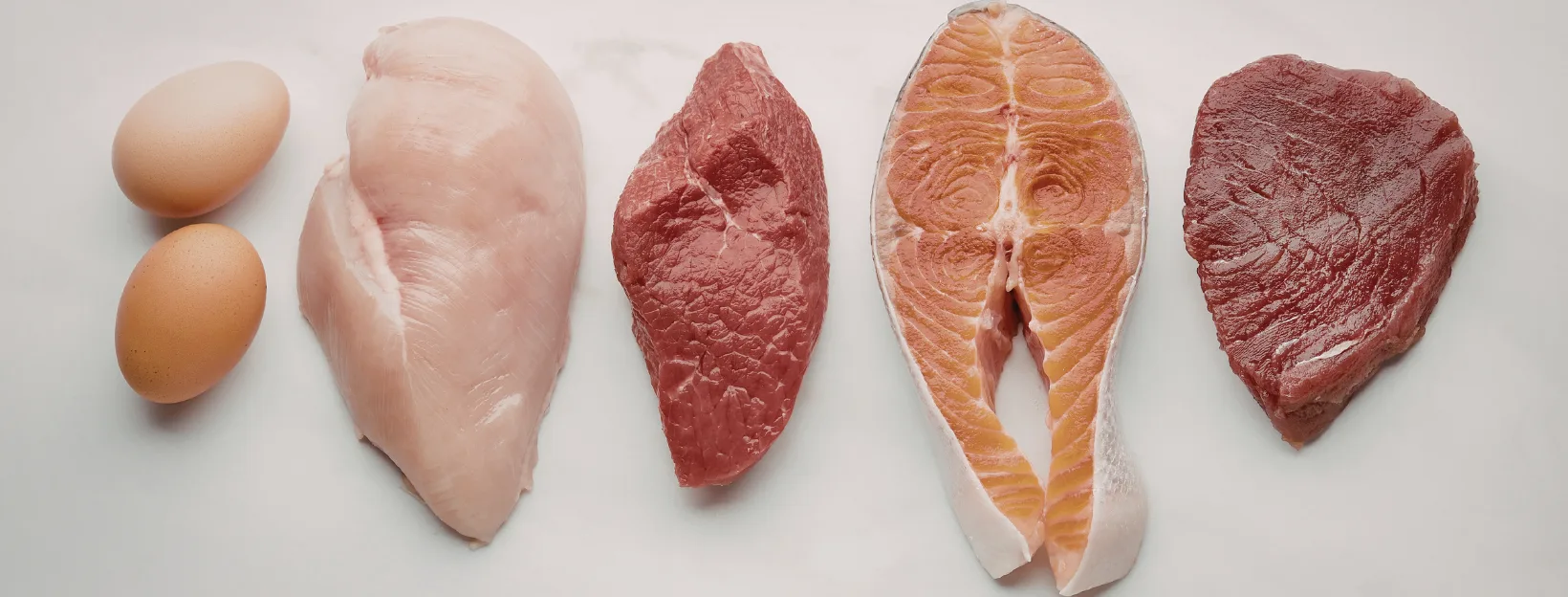
Myth #1: "All tuna is high in mercury."
Categorically wrong. There are multiple tuna species with dramatically different mercury loads.
- Canned light tuna (usually skipjack) — lower mercury, safe in moderation for children
- Canned white / albacore tuna — significantly higher mercury; limit
- Yellowfin / ahi — higher mercury; limit
- Bigeye tuna — among the highest mercury fish; avoid
A salmon and canned-light-tuna sandwich is a completely different exposure than a sushi plate featuring bluefin. Generic "tuna is bad" advice throws away a cheap, convenient, kid-friendly source of fish.
Myth #2: "Farmed fish is toxic; only eat wild."
More nuanced. Farmed salmon has been criticized for higher PCB content, lower omega-3 ratios, and antibiotic/dye use. All of these are real concerns, and they vary by producer.
But: farmed salmon typically has lower mercury than wild tuna species, and the omega-3 content, while ratio-altered, is still substantial. For families where wild salmon isn't affordable or available, farmed is a reasonable choice with tradeoffs.
Best: wild Alaskan salmon when possible. Next: responsibly farmed Atlantic salmon. Avoid: farmed salmon from producers with poor regulatory oversight.
Myth #3: "Fish oil supplements are the same as eating fish."
For omega-3 content, mostly yes — a well-made fish oil or algae oil supplement can deliver DHA/EPA without the mercury concern. For overall nutritional value, no — fish also provides complete protein, iodine, selenium, vitamin D, and B12.
For pregnancy and early childhood, the research generally supports both: 2–3 servings per week of low-mercury fish for the full nutrient package, plus a DHA supplement if fish intake is inconsistent. (3)
Quality matters for supplements: third-party testing for mercury, PCBs, and oxidation (IFOS certification is a reasonable standard). Cheap fish oil is often oxidized, which makes it worse than nothing.
Myth #4: "If I ate tuna while pregnant, I've already done damage."
Most likely not. The population-level mercury effects from moderate intake of standard American fish species are real but small on the individual level. Occasional consumption of even higher-mercury fish during pregnancy is unlikely to cause meaningful harm unless it was frequent and high-volume.
If this was you, don't catastrophize. Do adjust going forward. The developing brain is resilient, and one imperfect prenatal dietary choice is not destiny. Continued nutritional optimization postnatally matters more than any single exposure.
The Numbers That Matter
| What's happening | The data | Source |
|---|---|---|
| Faroe Islands cohort | Persistent cognitive deficits in children from prenatal methylmercury exposure | (1) |
| FDA/EPA fish advisory | 2–3 servings/week of "best choices" for pregnant women and young children | (2) |
| DHA and brain development | Dietary DHA supports infant neurodevelopment; supplementation in deficient diets improves outcomes | (3) |
| Fish mercury variability | 10–50x difference between top-predator fish and bottom-of-food-chain fish | FDA data |
| Selenium protective effect | Selenium in fish may partially offset mercury toxicity | Literature consensus |
Wait, Really? Selenium Offsets Mercury
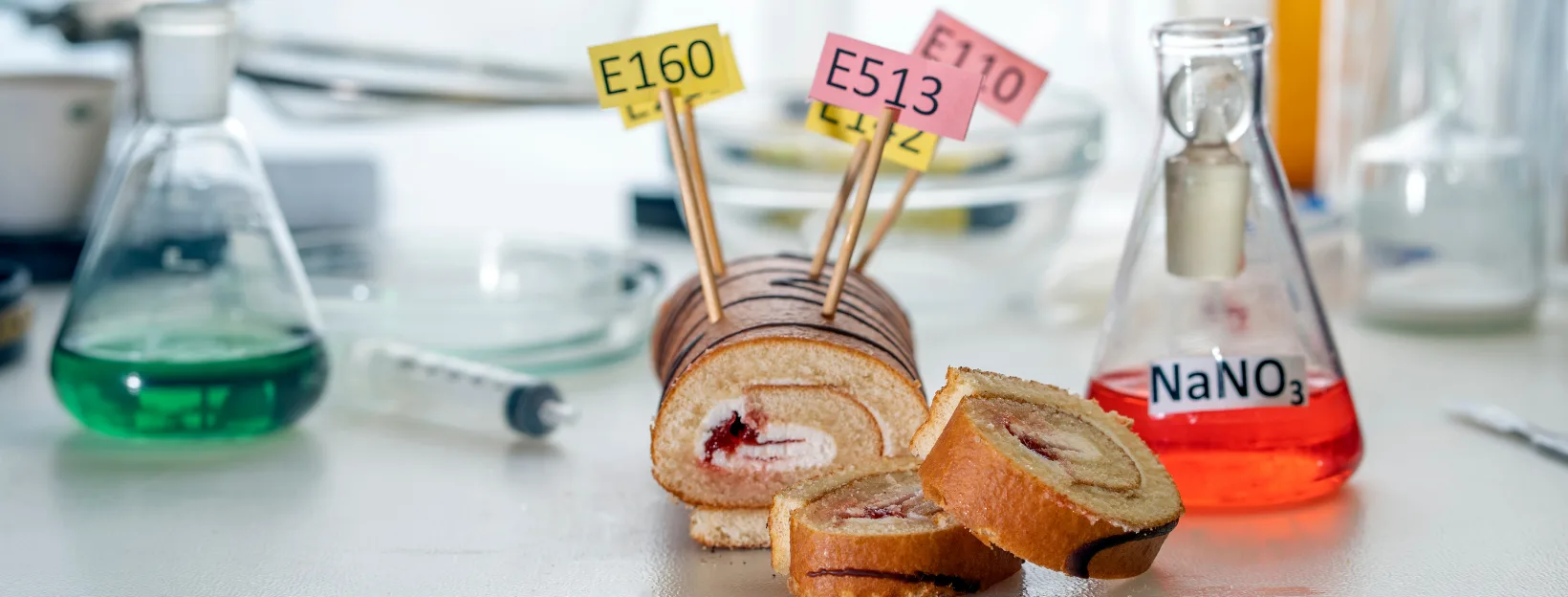
Here's a piece that reframes the fish-risk calculation.
Many fish contain selenium in addition to mercury. Selenium preferentially binds mercury, forming biologically inert mercury-selenide complexes that the body can sequester and eventually excrete. Fish with a selenium-to-mercury molar ratio greater than 1 (selenium in excess of mercury) may pose substantially less neurotoxic risk than the raw mercury content alone would suggest.
Most low-to-moderate mercury fish — salmon, tuna, cod, sardines — have favorable selenium-to-mercury ratios. The fish to avoid (shark, swordfish, pilot whale, etc.) have unfavorable ratios — mercury exceeds selenium, leaving "free" mercury available to damage biology.
This mechanism doesn't make high-mercury fish safe. It does help explain why the Seychelles studies (populations eating moderate-mercury fish with good selenium balance) showed less harm than the Faroe Islands studies (populations eating pilot whale with bad selenium-mercury balance), even at comparable mercury exposures.
One practical implication: supplementing modest selenium (via food — Brazil nuts are the densest source, 1–2 nuts/day provides adequate selenium for most adults) may provide some additional protection against ambient mercury exposure. The Avaneuro Environmental Toxins module covers the selenium-mercury interaction and when targeted selenium supplementation is worth considering.
What Actually Works
1. Learn the fish list. Shop from the "enjoy" tier. Salmon, sardines, anchovies, Atlantic mackerel, trout, pollock, cod, canned light tuna, shrimp. Print the list. Put it on the fridge if you need to. This one decision removes most of the mercury risk from your family's seafood intake.
2. Eat 2–3 servings per week during pregnancy and for children. Per the current FDA/EPA advisory. (2) Fish is one of the best brain foods available. Underconsumption is its own cost.
3. Avoid the top-predator list entirely during pregnancy and for young children. Shark, swordfish, king mackerel, tilefish, bigeye tuna, marlin. No ambiguity. No "treat yourself." These are the outliers with the worst mercury profiles.
4. Limit albacore and yellowfin tuna. Canned light tuna is fine in moderation. Albacore and ahi/yellowfin should be occasional for adults and rare for young children.
5. Supplement DHA if fish intake is low. Third-party tested, oxidation-monitored fish oil, krill oil, or algae oil (for vegan households). Dose during pregnancy: 200–300 mg DHA daily is the commonly-recommended floor. For infants and children, confirm dose with pediatrician. (3)
6. Include selenium in the diet. Fish (via their own selenium content) helps. Brazil nuts are an outlier food source — 1–2 per day provides adequate selenium for most adults. Don't overshoot; selenium toxicity at high doses is real.
7. If you test well water, include mercury in the panel. Well water in certain areas can contain inorganic mercury from geologic or industrial sources. Municipal water is generally monitored and low risk.
8. Don't panic-eliminate fish. Avoiding fish entirely in pregnancy and early childhood means missing the best dietary source of DHA. The omega-3 deficit has measurable consequences for brain development. The goal is informed selection, not avoidance.
The Bottom Line
Fish is too important to your child's brain to avoid, and mercury is too dangerous to ignore. The two facts coexist. The usable answer is the fish list: know it, shop from the bottom of the food chain, and include 2–3 servings per week from low-mercury species during pregnancy and for young children.
The downside of getting this wrong is subtle but real on both sides. A pregnancy and early-childhood diet low in DHA means the brain under construction is building with less of its primary structural fat. A pregnancy or early-childhood exposure to high-mercury fish means the brain under construction is contending with a neurotoxin that crosses the placenta and the blood-brain barrier readily. Both affect development at the population level.
The family that wins this tradeoff is the family that eats salmon on Sundays, sardines on Tuesdays, and never touches a swordfish. That's the playbook.
At Avaneuro, the nutrition modules (infant, toddler, and school-age) include specific fish recommendations by age, supplement guidance, and the selenium context. Because most of this is food-level decisions that a parent can make this week — and they buy measurable neurodevelopmental benefit at the cost of modestly adjusted grocery habits.
Small fish, often. Big fish, never. It's almost that simple.
Go deeper: This article builds on Avaneuro's Food Quality & Sourcing module — the full protocols, tools, and cited evidence base.
Related reading
- Lead Is Still in Your House. Here's Where to Look.
- VOCs from Furniture and Paint Are Measurably Hurting Your Child's IQ
- Mold and the Developing Brain: Why Mycotoxins Are an Under-Diagnosed Cause of Behavior Problems
- The Pesticide-ADHD Connection: What Organophosphates Do to a Child's Brain
References
- Grandjean, P., et al. (1997). Cognitive Deficit in 7-Year-Old Children with Prenatal Exposure to Methylmercury. Neurotoxicology and Teratology, 19(6), 417–428. https://pubmed.ncbi.nlm.nih.gov/9392777/
- U.S. Food and Drug Administration and U.S. Environmental Protection Agency. Advice About Eating Fish. https://www.fda.gov/food/consumers/advice-about-eating-fish
- Kuratko, C.N., et al. (2013). The Relationship of Docosahexaenoic Acid (DHA) with Learning and Behavior in Healthy Children: A Review. Nutrients, 5(7), 2777–2810. https://pmc.ncbi.nlm.nih.gov/articles/PMC3257695/