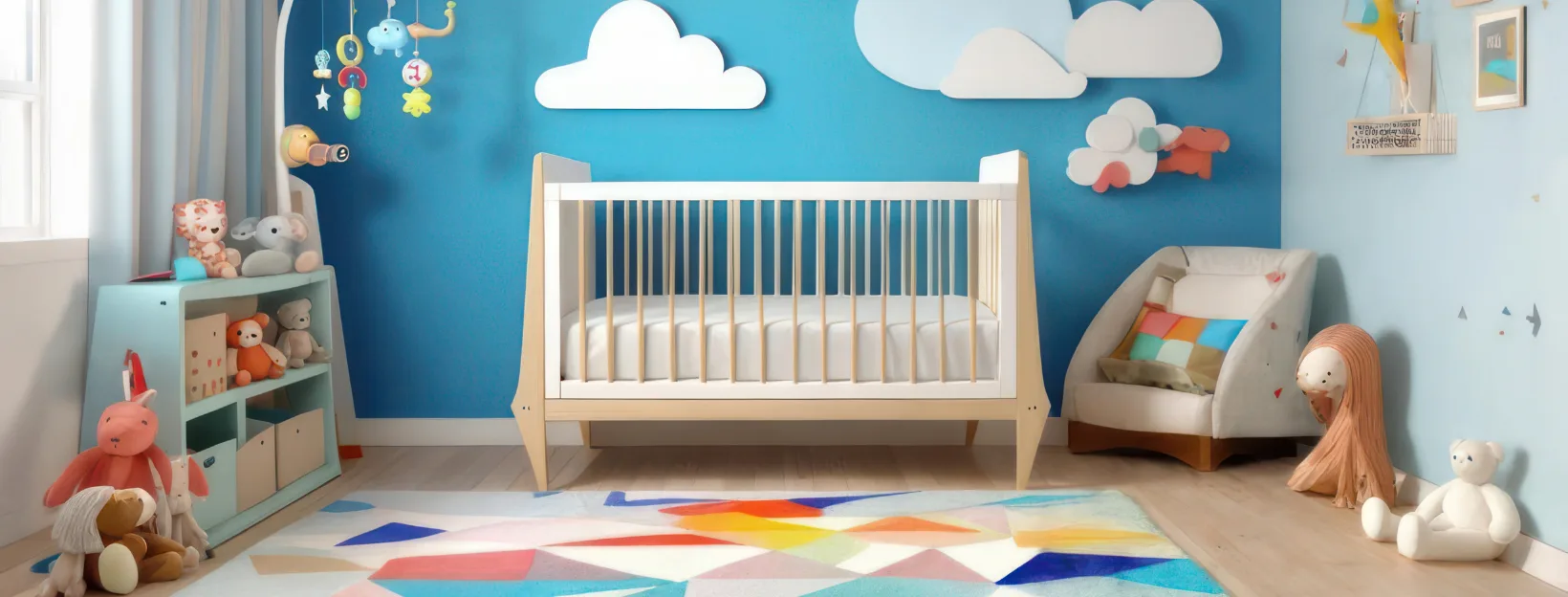
VOCs from Furniture and Paint Are Measurably Hurting Your Child's IQ
The EPA estimates indoor air is 2-5x dirtier than outdoor air — up to 100x worse for specific pollutants. Your new couch, your fresh paint, and the "air freshener" in the hall are all actively contributing.
You bought the couch. You were careful — read some reviews, paid more than you wanted to, got it delivered. It arrived with that distinctive "new furniture" smell: part foam, part fabric, part factory. Within an hour of sitting on it, you were mildly headachy. By day three, you'd stopped noticing.
Your nose adapted. The couch did not.
For the next 6 to 18 months, that couch is going to slowly off-gas a cocktail of volatile organic compounds — formaldehyde, benzene, toluene, xylene, acetaldehyde, and several dozen of their less-famous cousins — into the enclosed volume of air your toddler is breathing for 16 hours a day. So is the paint on your walls if it was applied in the last year. So is the carpet. So is the mattress, unless it was specifically built to not. So is every plug-in air freshener in your house, which is actively doing the opposite of what the name suggests.
Here's the finding that changes the priority order:
The EPA estimates indoor air is 2–5 times more polluted than outdoor air — and for specific pollutants, up to 100 times worse. (EPA Report on Indoor Air Quality)
Americans spend roughly 90% of their time indoors. Children spend even more. And the indoor air is almost always worse than the outdoor air they're staying inside to avoid.
What VOCs Actually Do to a Developing Brain
A "volatile organic compound" is any carbon-based molecule that readily evaporates at room temperature. The volatility is why you can smell them. The organic chemistry is why they're bioactive.
The big ones in indoor air:
- Formaldehyde — pressed wood, particleboard, MDF, urea-formaldehyde adhesives, some textiles, certain insulation
- Benzene — stored gasoline, paints, solvents, some adhesives, tobacco smoke
- Toluene and xylene — paints, paint thinners, adhesives, nail products, markers
- Acetaldehyde — building materials, some combustion
- Phthalates and plasticizers — vinyl flooring, shower curtains, toys, "new car smell"
- Semivolatile pesticides and flame retardants — carpet, furniture, textiles
The health effects depend on the compound and dose, but the research is consistent on the big picture:
- Respiratory inflammation and asthma exacerbation (well-established)
- Acute cognitive effects — headaches, fatigue, difficulty concentrating (well-established)
- Developmental and neurobehavioral effects in children chronically exposed (a growing and consistent literature)
- Endocrine disruption from certain VOCs, particularly phthalates (well-established)
The mechanisms vary. Formaldehyde and benzene are established carcinogens at high exposure. Phthalates disrupt hormone signaling. Many VOCs cause oxidative stress at the cellular level, which in a developing brain with still-forming blood-brain barrier is a different proposition than in an adult.
And here's the key point about children specifically: they breathe more air per pound of body weight than adults, they spend more time on or near the floor where heavier VOCs settle, they have smaller airways, and they have a blood-brain barrier still under construction. (American Lung Association) A 25-pound toddler in a room with off-gassing furniture is getting a very different dose than a 180-pound adult in the same room.
At Avaneuro, the Air Quality module and Home Product Safety module are in the same phase of the program because, for most modern families, the air inside the house is a bigger exposure than anything outside it.
The HEPA Study That Should Have Changed the Conversation
This is the data point that should have ended the "indoor air doesn't matter that much" framing for good.
The UGAAR trial (Ulaanbaatar Gestation and Air Pollution Research) was a randomized controlled trial conducted in Mongolia — one of the most air-polluted environments on earth during winter months. Pregnant women were randomly assigned to either receive HEPA air purifiers in their homes during pregnancy, or not. Everything else about their lives was the same.
The children of mothers who had the HEPA purifiers during pregnancy scored 2.8 to 3.2 IQ points higher at age 4 than the children of control mothers. (Ulziikhuu et al., Environmental Health Perspectives, 2022)
Read that again. A HEPA air purifier in the bedroom during pregnancy. That's the entire intervention. And it bought 3 IQ points for the child.
At the population level, that's a larger effect than many drug interventions we get excited about. And it's essentially free at the individual level — the intervention costs a few hundred dollars once and runs on standard electrical service.
The implication is clear: indoor air quality during the critical neurodevelopmental window is doing measurable work on the fetal and infant brain, and reducing particulate and VOC exposure during that window is one of the highest-ROI interventions available to any family.
The Myths That Are Costing You
Myth #1: "The smell goes away, so the off-gassing is done."
Your nose adapts within hours. The chemistry does not.
Formaldehyde off-gassing from urea-formaldehyde pressed-wood products can continue for years after manufacture, with the fastest rate in the first 6–18 months but detectable emissions well beyond that. Your olfactory system stops registering the smell because it habituates to constant stimuli — it's evolutionary. This is not evidence that the VOCs have stopped.
This is why "let it air out for a few days" is almost always inadequate for significant off-gassing sources like new mattresses, new couches, fresh paint, new carpet, or pressed-wood furniture. The half-life of the emission is weeks to months, not days.
Myth #2: "Air fresheners clean the air."
They do the opposite. Plug-ins, sprays, scented candles, and fragrance diffusers add VOCs and particulates to the air to mask odors with more aggressive chemical signals. They don't filter, don't remove, don't "clean."
If you smell the "fresh linen" scent, you are breathing the chemicals that create that scent. A 2022 study on gas stove emissions (Gruenwald et al., Int J Environ Res Public Health, 2022) illustrates a similar point about combustion-based VOCs and childhood asthma — but the principle generalizes: if your "solution" to poor air is to add more compounds to the air, it's not a solution.
Scented candles, especially paraffin candles, emit benzene, toluene, and fine particulate matter. Scented candles in a child's bedroom are one of the easiest swaps in the entire indoor-air playbook.
Myth #3: "Opening a window is enough."
It helps. It's almost never enough on its own.
Ventilation dilutes pollutants by exchanging indoor air with outdoor air — which is effective when outdoor air is cleaner than indoor air (usually true) and when the pollutant source inside the home is removed (often not the case).
If the source of the VOCs is still emitting — a new couch in the living room, a freshly painted bedroom wall, a pressed-wood dresser — opening a window will reduce concentrations temporarily but won't eliminate them. The source has to be dealt with. Ventilation + source control + filtration is the full stack.
Myth #4: "Air purifiers with ionizers or ozone are even better."
They are worse. Some of them are actively harmful.
HEPA filtration works — it physically traps particles down to 0.3 micron at high efficiency. A true HEPA purifier is a well-studied technology. "True HEPA" is a specific certification; "HEPA-type" and "HEPA-like" are marketing terms that should be avoided.
Ozone generators, sold as "air purifiers" by some companies, produce ozone — a respiratory irritant that the EPA explicitly warns against using in occupied spaces. California's Air Resources Board maintains a list of prohibited indoor air cleaners that generate ozone. (CARB) If a device claims to "freshen" the air with a scent or uses the words "ionizer," "plasma," or "oxidizer," check the ozone emissions before buying.
For VOCs specifically, you need activated carbon in addition to HEPA. HEPA alone captures particulates but doesn't adsorb gases; a purifier with both HEPA and a meaningful activated-carbon stage handles both.
The Numbers That Matter
| What happens | The data | Source |
|---|---|---|
| Indoor vs. outdoor air pollution | 2–5x worse indoors, up to 100x worse for specific pollutants | EPA |
| Time Americans spend indoors | ~90% | EPA |
| HEPA purifier during pregnancy → child IQ at age 4 | +2.8 to +3.2 IQ points (RCT) | Ulziikhuu et al., 2022, UGAAR |
| Off-gassing window for new furniture | 6–18 months of active emission, often longer for formaldehyde | EPA / manufacturer data |
| Gas stoves and childhood asthma | Measurably associated with asthma diagnosis, with dose-response | Gruenwald et al., 2022 |
| Children's breathing rate (per kg body weight) | Substantially higher than adults — higher dose per lb for the same air | American Lung Association |
| Mold and childhood asthma | Visible dampness/mold reliably associated with asthma | Mendell et al., EHP, 2011 |
| Ozone "air purifiers" | Actively harmful; CARB maintains a prohibition list | CARB |
Row 3 is worth sitting with. An RCT on a real intervention — air purifiers during pregnancy — found 3 IQ points of effect. That's a larger effect than many highly promoted developmental interventions, for the cost of a one-time appliance purchase.
Wait, Really? Your Gas Stove Is in This Conversation Too
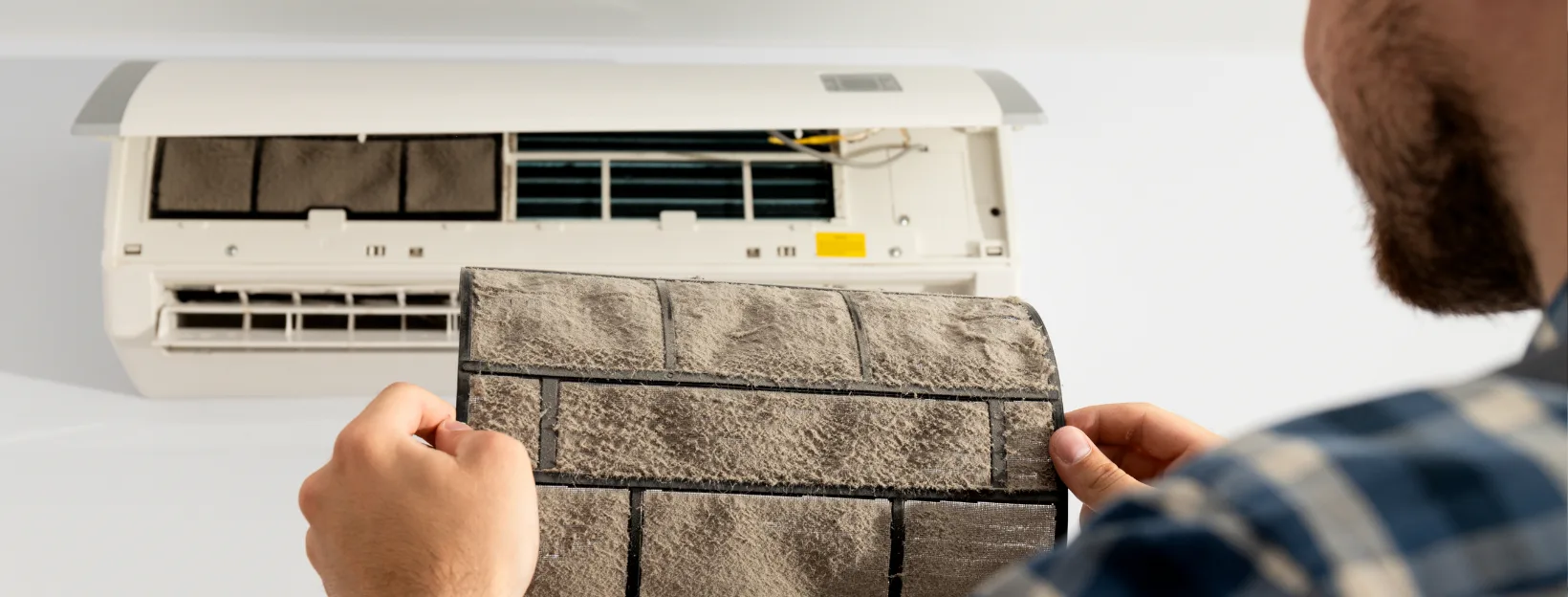
Here's a piece that most parents find counterintuitive.
A gas stove, burning indoors, is a combustion appliance inside your home. Every time it runs, it produces nitrogen dioxide (NO₂), carbon monoxide, formaldehyde, fine particulates, and several VOCs — directly into the air you breathe. Even when the stove is off, small ongoing methane and benzene leaks from the fittings contribute to baseline indoor air contamination.
A 2022 study estimated that ~13% of childhood asthma cases in the U.S. are attributable to gas stove use. (Gruenwald et al., Int J Environ Res Public Health, 2022)
This doesn't mean you have to rip out the gas stove tomorrow. It does mean a few things are worth doing:
- Run the range hood on high every time you cook (and make sure the range hood vents outside, not just recirculates)
- Open a window during and after cooking
- Consider an induction cooktop on your next appliance replacement cycle — cleaner, faster, and safer for indoor air
The Avaneuro Home Product Safety module walks through the appliance-by-appliance audit for indoor air contribution — because kitchens, bathrooms, and bedrooms all have different exposure profiles and different high-ROI interventions.
What Actually Works
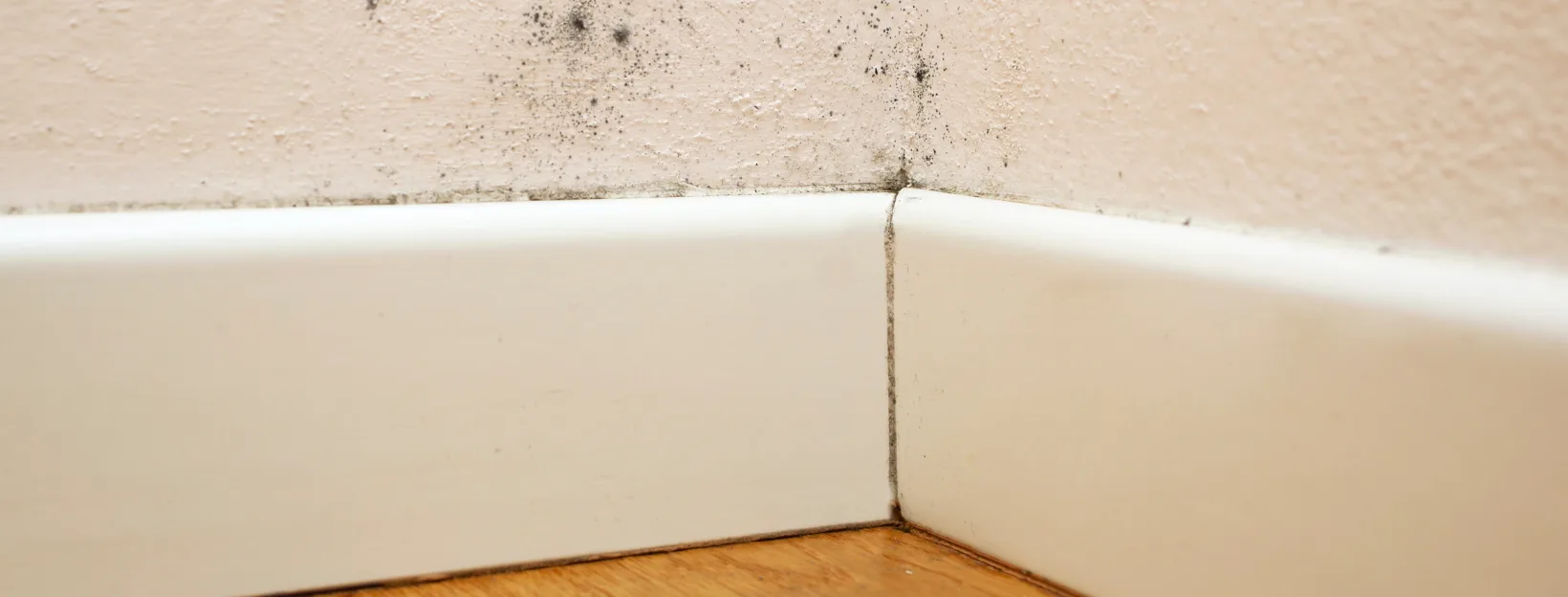
1. Buy a true HEPA purifier with an activated-carbon stage. Put it in the bedroom. The bedroom is where your child breathes for 10–12 hours a day. This is the single highest-ROI placement. Sizing matters — the purifier's CADR (Clean Air Delivery Rate) should match the room square footage. Brands like Coway, IQAir, Austin Air, and Blueair have well-reviewed models. Budget $150–800 depending on room size and air quality.
2. If pregnant, add a second purifier to the bedroom now. The UGAAR data is the best RCT evidence we have on this, and the intervention during pregnancy did measurable work on the child's eventual IQ. Treat it as infrastructure.
3. Run the range hood every time you cook. Make sure it vents outside. Not recirculating. Outside. If it doesn't, you're moving the same pollutants around, not removing them.
4. Choose zero-VOC or low-VOC paint. Always. Major brands (Benjamin Moore Natura, Sherwin-Williams Harmony, Behr Premium Plus Ultra, etc.) have zero-VOC formulations that are now essentially as good as their conventional versions. For a child's room, there is no excuse to use conventional paint.
5. Avoid pressed-wood furniture with formaldehyde adhesives. Look for products meeting the TSCA Title VI or CARB Phase 2 standards — they limit formaldehyde emissions from composite wood products. Solid wood furniture costs more up front and off-gasses less. When buying pressed wood, check the emissions certification.
6. Air out new furniture and mattresses for weeks, not days, before putting them in a bedroom. Garage or covered porch, if weather allows. Run a fan. The fastest off-gassing happens in the first weeks; most of the worst is out of the product before it comes into the child's sleep space.
7. Eliminate plug-in air fresheners, scented candles, and fragranced sprays. Full stop. Replace with nothing, or with simple ventilation. "Fresh" is the absence of added chemicals, not the presence of "mountain breeze."
8. Switch to fragrance-free, low-VOC cleaning products. Conventional cleaners, especially sprays, pulse VOCs directly into the breathing zone. Branded "green" products are mixed (watch for greenwashing), but the "fragrance-free" filter is a reasonable starting point. Vinegar, baking soda, and castile soap cover a lot of ground.
9. Test for radon if you haven't. Radon is a colorless, odorless, radioactive gas that seeps up from the ground in some regions. It's the second-leading cause of lung cancer after smoking. Test kits are ~$15 and test your basement or ground floor over 2–7 days. (EPA Radon)
10. Keep humidity between 30–50%. Too low → respiratory irritation; too high → mold and dust mite proliferation. A basic hygrometer is a few dollars.
The Bottom Line
The outside air gets all the attention. The factories, the traffic, the haze. The inside air — where your child actually spends 90% of their time — is worse, and it's also the only air in the system you can actually control.
The good news: the interventions are mostly one-time, mostly cheap, and most of them have side benefits (better sleep, less allergic congestion, less asthma, clearer skin). HEPA purifier in the bedroom. Zero-VOC paint. Vent the kitchen. Throw out the air fresheners. Air out new furniture. Test for radon. Deal with visible dampness.
That's most of it. And the research — especially the UGAAR RCT showing a 3-IQ-point benefit from HEPA during pregnancy — is not subtle. This is a lever worth pulling.
At Avaneuro, the Air Quality, Home Product Safety, and Environmental Toxins modules are deliberately stacked together because they all act through the same daily mechanism: what your child's tissues are exposed to, around the clock, in the space they can't leave. Winning the indoor-environment battle does more for neurodevelopment than almost any "enrichment" intervention parents are sold.
Your child's lungs cycle 20,000+ times a day. Every one of those breaths is either an input to development or a subtraction from it. It's worth making the air count.
Go deeper: This article builds on Avaneuro's Air Quality & Mold module — the full protocols, tools, and cited evidence base.
Related reading
- Lead Is Still in Your House. Here's Where to Look.
- Mercury, Fish, and Your Child's Developing Brain: What's Safe and What's Not
- Mold and the Developing Brain: Why Mycotoxins Are an Under-Diagnosed Cause of Behavior Problems
- The Pesticide-ADHD Connection: What Organophosphates Do to a Child's Brain
References
- U.S. Environmental Protection Agency. Indoor Air Quality Overview. EPA
- Ulziikhuu, B., et al. (2022). Portable HEPA Filter Air Cleaner Use during Pregnancy and Children's Cognitive Performance at Four Years of Age: The UGAAR Randomized Controlled Trial. Environmental Health Perspectives, 130(6), 067006. EHP — PMID: 35730943
- Gruenwald, T., et al. (2022). Population Attributable Fraction of Gas Stoves and Childhood Asthma in the United States. International Journal of Environmental Research and Public Health, 20(1), 75. DOI
- American Lung Association. Children and Air Pollution. ALA
- Mendell, M.J., et al. (2011). Respiratory and Allergic Health Effects of Dampness, Mold, and Dampness-Related Agents: A Review of the Epidemiologic Evidence. Environmental Health Perspectives, 119(6), 748–756. DOI
- U.S. EPA. Guide to Air Cleaners in the Home. EPA
- California Air Resources Board. Air Cleaners and Ozone-Generating Products. CARB
- U.S. EPA. Radon. EPA