
Mold and the Developing Brain: Why Mycotoxins Are an Under-Diagnosed Cause of Behavior Problems
Visible mold in a home reliably predicts childhood asthma. Less visible mold — the kind growing behind drywall or inside an HVAC system — can drive chronic inflammation and cognitive symptoms that most pediatricians won't connect to the building.
Here's a clinical scenario that plays out in pediatric offices thousands of times a year and usually ends in the wrong diagnosis:
A previously healthy 7-year-old develops, over months: fatigue, headaches, brain fog, irritability, worsening anxiety, trouble concentrating in school, unexplained stomachaches, and respiratory symptoms that come and go. The pediatrician runs a basic workup — blood count, thyroid, maybe a celiac panel — and everything is "normal." Behavioral and anxiety diagnoses get considered. A referral to a therapist is made. The symptoms persist.
Nobody asks: when did you last have your house checked for mold?
Mold and mycotoxins are among the most under-diagnosed environmental drivers of chronic symptoms in children. Not because the research is thin — it's not — but because the standard pediatric workup doesn't include a home environmental assessment, and the symptoms mold produces (fatigue, cognitive changes, mood shifts, respiratory issues) overlap with so many other conditions that mold is rarely on the differential.
Visible dampness and mold in homes has been reliably associated with respiratory and allergic disease in children in a large body of epidemiologic research. (1) The neurological and cognitive effects of mycotoxin exposure are less well-studied at the epidemiologic level but mechanistically plausible and clinically observed in mold-exposed populations.
If your child has unexplained chronic symptoms and you're trying to figure out what's wrong, checking the building is sometimes the missing step.
What Mold Actually Does
"Mold" is a broad category. What matters for health isn't the presence of mold — it's everywhere, including outdoors — but which species, how much, and how they interact with a particular child's biology.
The main mechanisms by which indoor mold exposure affects health:
1. Allergic sensitization. Chronic exposure to mold spores can drive IgE-mediated allergy responses: runny nose, congestion, asthma exacerbation, eczema flares. This is the most well-documented pathway. (1)
2. Irritant effects. Mold spores and fragments cause direct irritation of respiratory mucosa even without an allergic reaction — sore throat, cough, eye irritation, chronic sinus symptoms.
3. Mycotoxin production. Some molds — especially certain species of Aspergillus, Penicillium, Stachybotrys (the infamous "black mold"), and Fusarium — produce mycotoxins: secondary metabolites that are biologically active in human tissues. These can trigger inflammatory cascades, oxidative stress, immune dysregulation, and in some populations, neurological symptoms.
4. VOC off-gassing. Actively growing mold emits microbial volatile organic compounds (mVOCs) — the characteristic musty smell — which are themselves respiratory irritants and contribute to overall indoor air pollution.
5. Interaction with other inflammation. Kids with existing respiratory issues (asthma), existing gut issues, existing allergies, or existing immune challenges are disproportionately affected by mold exposure. The mold doesn't cause everything — but it can amplify baseline susceptibility.
The clinical picture in mold-exposed children is variable. Some kids show textbook respiratory symptoms. Some show cognitive and mood symptoms with mild respiratory component. Some show mostly fatigue and GI symptoms. The variability is one reason mold is under-diagnosed — it doesn't always look like "mold."
At Avaneuro, the Air Quality module walks through the mold assessment process because "my house doesn't have mold" turns out, in practice, to be a claim most families can't actually support without the appropriate inspection.
Where Mold Lives (That You Don't See)
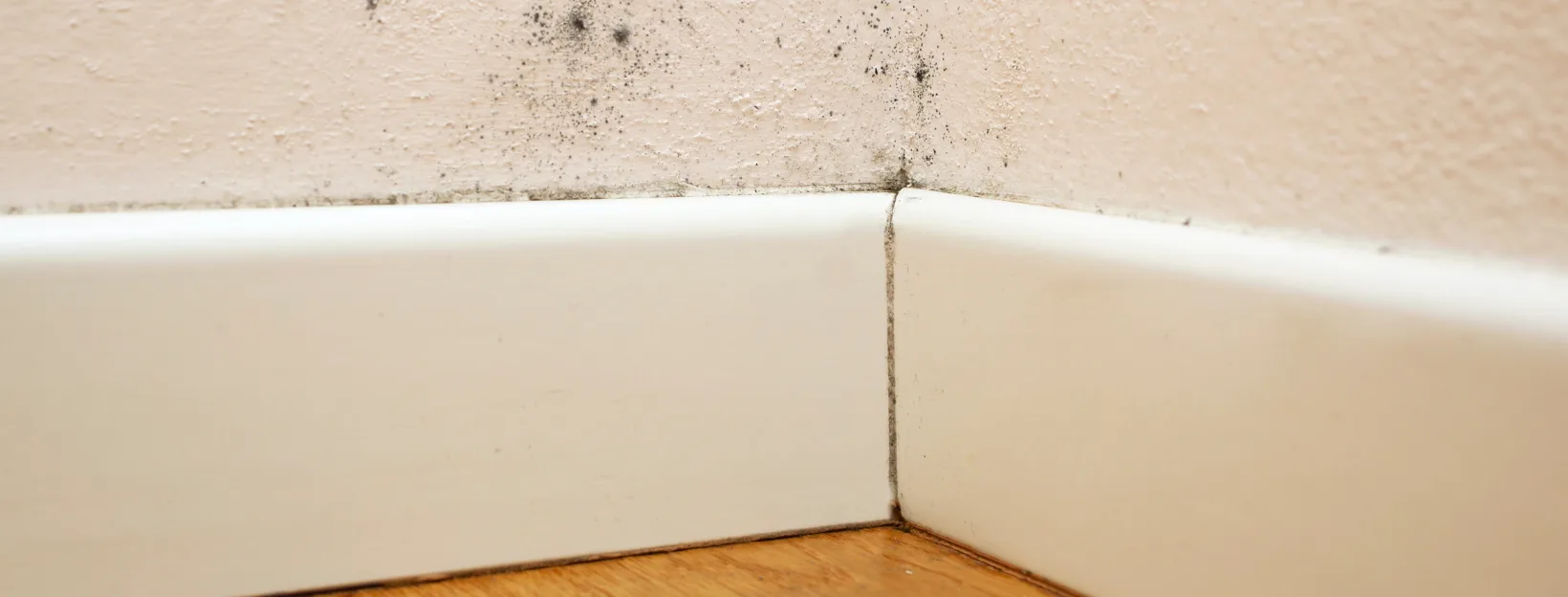
Visible mold on a bathroom caulk line is not usually the problem. The problem is the mold you can't see.
The spots where significant mold growth commonly hides:
- Behind drywall near plumbing runs, especially after any past water leak that "dried out"
- Under flooring, especially in basements and around entry points where water has intruded
- Inside HVAC ductwork and on coils, where condensation creates persistent moisture
- In attics with inadequate ventilation, especially where roof leaks have occurred
- In basements and crawlspaces with ongoing moisture issues
- Inside washing machine rubber gaskets
- Behind wallpaper in older homes
- Inside window frames where condensation is chronic
The key signal is past or present moisture intrusion. A roof leak that was repaired but not remediated. A burst pipe that got cleaned up but not torn out to studs. A flooded basement that dried "naturally." Any prior water event that didn't include professional mold remediation is a candidate site for hidden growth.
Mold grows on organic matter (paper, wood, dust, cardboard) when relative humidity sustains above ~60% for more than 24–48 hours. Which is why the humidity in a home matters as much as past water events.
The Myths That Are Costing You

Myth #1: "If there's mold, we'd see it."
Not usually. The visible mold is sometimes the symptom of a much larger hidden colony. And some mold species grow in colors that don't look like the stereotype — light tan, pinkish, or pale green patches on drywall are easy to dismiss as dirt or discoloration.
Professional inspection with moisture meters, thermal imaging, and air/surface sampling can find what visual inspection misses. If there's a suspicious history (past water leak, chronic musty smell, symptoms that improve when away from home), this is worth the cost.
Myth #2: "Bleach kills mold."
Bleach is ineffective for most mold remediation. On porous surfaces — drywall, wood, carpet — bleach doesn't penetrate; it only addresses surface discoloration while the hyphae (root structures) continue growing beneath.
OSHA guidance on mold remediation emphasizes physical removal and containment, not bleaching. (2) For significant mold growth, the contaminated material (drywall, carpet, insulation) generally has to be removed, not cleaned. Professional remediation with HEPA-filtered negative air pressure prevents the disturbance from spreading spores throughout the house.
Myth #3: "Home mold test kits are useful."
The cheap home kits that sit a petri dish on a shelf for a week are essentially useless. Mold spores are in every indoor environment — they'll grow on the petri dish regardless. The test can't distinguish "this room has a hidden mold problem" from "this room has normal ambient spore levels."
Useful testing requires comparative air sampling (outdoor vs. indoor spore counts by species), surface sampling in suspect areas, and interpretation by someone with environmental health training. This is an industry with significant quackery, so vet the inspector carefully — IICRC-certified with no financial interest in finding problems they then get paid to remediate.
Myth #4: "Mold only affects kids with allergies."
Allergic sensitization is the best-documented pathway, but it's not the only one. The inflammatory, neurocognitive, and GI symptoms associated with mycotoxin exposure can occur in children without classical atopy. Individual susceptibility varies substantially — some children in the same household can be symptomatic while siblings are not. Genetic variants in detoxification pathways (HLA subtypes, for example) are plausibly involved.
The Numbers That Matter
| What's happening | The data | Source |
|---|---|---|
| Dampness/mold and childhood respiratory disease | Consistent association with asthma development, current asthma, respiratory infections | (1) |
| Indoor air quality generally | Indoor air often 2–5x worse than outdoor, up to 100x for specific pollutants | (3) |
| Humidity threshold for mold growth | Sustained indoor humidity > ~60% for 24–48 hours enables growth | EPA / industry consensus |
| Mycotoxin types | Many, including aflatoxins (food), ochratoxins, trichothecenes (Stachybotrys) | Literature |
| Effective remediation | Physical removal and containment, not bleaching | (2) |
Wait, Really? Your HVAC Is Either Helping or Hurting
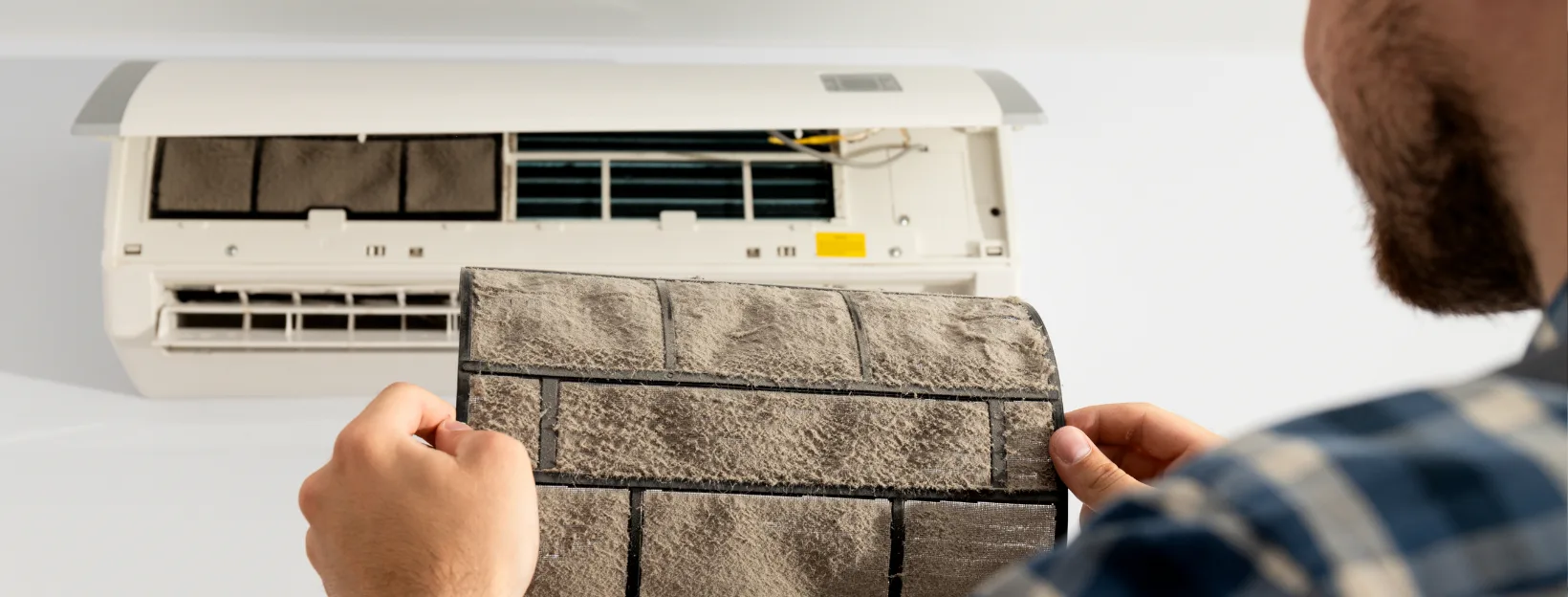
One of the single biggest sources of indoor mold exposure is the HVAC system itself.
Forced-air systems in most homes include:
- A cooling coil that generates condensation every time the AC runs
- A drain pan that collects that condensation
- Ductwork that moves conditioned air throughout the house
- A furnace filter that captures (or doesn't capture) particulates
When any part of this system develops mold growth — typically in the coil or drain pan, sometimes inside ductwork that's gotten moist — the HVAC system pumps mold spores and mycotoxins throughout every room in the house, every time it runs.
This is why some families report that symptoms appear seasonally (when the AC or heat runs more), or improve dramatically on vacation, or correlate with specific rooms where the nearest vent is located. The HVAC is the delivery mechanism.
Good HVAC hygiene includes: regular filter changes (MERV 11 or higher is a meaningful upgrade over cheap filters), annual inspection of coils and drain pans, UV-C lights in the air handler to suppress microbial growth on coils, and keeping indoor humidity below 50% during warm months.
The Avaneuro Home Product Safety module covers HVAC optimization explicitly — because for most modern homes, this is the difference between a clean indoor environment and a constant low-grade microbial exposure.
What Actually Works
1. Rule out moisture problems. Repair any active source first. Leaks, plumbing drips, poor drainage around foundation, roof issues. Mold remediation without fixing the water source is temporary.
2. Keep indoor humidity 30–50%. A basic hygrometer ($10). Dehumidifiers in basements. Exhaust fans in bathrooms and kitchens that actually vent outside. AC use during humid months. Consistent humidity control is one of the best mold-prevention tools.
3. If you suspect mold (past water event, musty smell, symptomatic child), get a professional inspection. IICRC-certified inspector with no conflict of interest. Thermal imaging + moisture meters + air/surface sampling. Budget $300–800 for a thorough inspection.
4. Remediate properly if found. For anything beyond small surface mold (<10 sq ft), hire professionals who follow containment protocols. Physical removal of contaminated material. HEPA vacuuming. Negative air pressure during work. Post-remediation verification.
5. Upgrade the HVAC. MERV 11+ filters, changed on schedule. Annual coil cleaning. UV-C light in the air handler. Humidity control integrated with AC operation.
6. Get HEPA air purifiers running in bedrooms. This is the general indoor-air intervention from the VOC article, and it applies doubly for mold — HEPA captures spores effectively. During active remediation or until a known problem is resolved, HEPA in the child's sleep space is especially valuable.
7. If a child has persistent unexplained chronic symptoms — consider the building. Fatigue, brain fog, cognitive changes, mood shifts, headaches, chronic respiratory issues, GI disturbance — especially if symptoms improve dramatically when the child is away from home — are a pattern worth investigating. Ask the question most pediatricians won't: when did we last verify this building is clean?
8. Vet the remediation industry carefully. Mold remediation has significant quackery and upselling. Get multiple opinions. Get a written scope of work. Be wary of inspectors who also want to do the remediation work. Post-remediation verification by an independent party is worth the cost.
The Bottom Line
Mold is one of the most under-investigated environmental contributors to pediatric symptoms. Not because the research isn't there on respiratory effects — it is — but because the clinical workflow doesn't include the building in the differential for chronic symptoms, and because the hidden nature of most significant mold growth means "my house is fine" is a claim most parents can't actually verify without inspection.
The fix isn't panic or paranoia. It's a systematic assessment of moisture history, humidity control, HVAC hygiene, and — if the pattern warrants — a professional inspection. Most homes don't have a hidden mold problem. Some do. And in the ones that do, addressing it is often the missing piece that resolves chronic symptoms in ways no medication or therapy has touched.
At Avaneuro, the air quality, home product safety, and environmental toxins modules all touch the mold question because it sits at the intersection of three systems parents control: the building, the HVAC, and the humidity. Get all three right and most mold problems never develop. Get them wrong and the symptoms can persist for years under increasingly elaborate but wrong diagnoses.
Check the building. If it's clean, fine. If it's not, you've just found the answer you've been looking for.
Go deeper: This article builds on Avaneuro's Air Quality & Mold module — the full protocols, tools, and cited evidence base.
Related reading
- Lead Is Still in Your House. Here's Where to Look.
- Mercury, Fish, and Your Child's Developing Brain: What's Safe and What's Not
- VOCs from Furniture and Paint Are Measurably Hurting Your Child's IQ
- The Pesticide-ADHD Connection: What Organophosphates Do to a Child's Brain
References
- Mendell, M.J., et al. (2011). Respiratory and Allergic Health Effects of Dampness, Mold, and Dampness-Related Agents: A Review of the Epidemiologic Evidence. Environmental Health Perspectives, 119(6), 748–756. https://doi.org/10.1289/ehp.1002410
- Occupational Safety and Health Administration. A Brief Guide to Mold in the Workplace. https://www.osha.gov/mold
- U.S. Environmental Protection Agency. Indoor Air Quality Overview. https://www.epa.gov/indoor-air-quality-iaq