
Phthalates and Endocrine Disruptors: The Hormones Your Child's Toys Are Changing
Your child's pajamas, the shower curtain, the rubber ducky, the mattress cover, the "new car smell" — these are not passive decorations. They are active hormone inputs, and the developing endocrine system can't tell the difference between its own signals and theirs.
Here's the thing about endocrine disruption that takes most people a minute to internalize: the developing human body doesn't have a special filter that says "this is a real hormone" versus "this is a synthetic chemical that happens to fit the same receptor."
A receptor is a lock. The body's own hormone is the key it evolved for. A phthalate molecule, or a bisphenol, or a PBDE flame retardant, or a PFAS compound, is a different key that fits the lock anyway. Sometimes the imitation key turns the lock (activates the receptor, often weakly but persistently). Sometimes it jams the lock (blocks the receptor from real hormones). Either way, the body's hormone signaling is distorted.
Multiply that by the dozens of endocrine-disrupting chemicals (EDCs) that are in the air, water, food, and materials of a typical modern home. Add in that the developing fetal and child endocrine system is especially sensitive to these signals — because puberty, sex-specific development, thyroid maturation, and metabolic programming all depend on precise hormone timing. You get a population-level experiment that's been running for decades, and the results — measurable shifts in puberty timing, rising rates of reproductive disorders, thyroid dysfunction, and neurodevelopmental differences — are coming in.
The big families of EDCs parents should know:
- Phthalates — plasticizers that make plastics flexible. Fragrances. Vinyl. Some medications and medical devices.
- Bisphenols (BPA, BPS, BPF) — hardeners in plastics. Thermal receipt paper. Canned food linings.
- PFAS ("forever chemicals") — stain/water resistance. Non-stick cookware. Food packaging. Some cosmetics.
- PBDEs and other flame retardants — furniture foam. Electronics. Textiles. Building materials.
- Parabens — preservatives in personal care products.
- Triclosan — antimicrobials in soaps and toothpastes (partially banned, still in some products).
None of these are acutely toxic at household exposure levels. That's part of the problem — the effects are subtle, cumulative, and show up years later, which makes them easy to ignore in the moment and hard to pin to any single source.
Why the Developing Endocrine System Is Especially Vulnerable
Children are not small adults for endocrine disruption. Three reasons:
1. Higher exposure per body weight. Children drink more water per kg, breathe more air per kg, eat more food per kg, and have more surface area per kg than adults. Any EDC in those media reaches their tissues at higher concentrations.
2. More hand-to-mouth behavior. Especially under age 4. Kids ingest dust at rates measured in hundreds of milligrams per day. Most EDCs — especially phthalates and flame retardants — accumulate in house dust.
3. Critical windows of hormone programming. Fetal development, infancy, and puberty involve specific hormone-driven programming events. EDC exposure during these windows can produce effects that persist for life. The same exposure in adulthood might be metabolized and excreted with minimal lasting effect.
The U.S. EPA and the Endocrine Society have explicitly recognized that EDCs act at low doses in ways that classical toxicology (where "the dose makes the poison") doesn't capture. Some EDCs show non-monotonic dose-response curves — low doses producing effects that higher doses don't, because receptor-based mechanisms saturate differently than enzymatic poisoning does. (1)
This matters because regulatory "safe levels" are typically set by extrapolating down from high-dose toxicity testing. That extrapolation is valid for many toxicants. It is not always valid for EDCs, and it's one reason the regulatory framework for chemicals like phthalates and bisphenols has lagged well behind the research.
At Avaneuro, the Home Product Safety module and Personal Care module treat EDC reduction as a cumulative intervention — not any single swap, but the overall goal of lowering the household body burden.
Phthalates: The Fragrance Hidden in Everything
Phthalates are a family of chemicals used to make plastics soft and flexible. They're also used to make fragrances stick — which means "fragrance" on an ingredient label almost always means "contains phthalates."
Where phthalates are in a typical home:
- Vinyl products — shower curtains, vinyl flooring, some toys, rain boots, some pajamas
- Fragranced personal care — most conventional shampoos, body washes, lotions, perfumes
- Air fresheners, plug-ins, scented candles
- Some food packaging — especially flexible packaging and lids
- Some medical devices — IV tubing, medication delivery systems (relevant for kids with chronic conditions)
- Many conventional cleaning products
The research on phthalate effects in children includes:
- Altered genital development in male infants (anti-androgenic effects on prenatal development) (2)
- Associations with earlier puberty in girls
- Links to attention problems and behavioral differences
- Metabolic and thyroid effects
Phthalates are metabolized and excreted relatively quickly — half-life of hours to days — which means reducing exposure produces rapid reductions in body burden. Families who eliminate fragranced personal care products, avoid vinyl, and reduce processed food consumption typically see measured drops in urinary phthalate metabolites within a week.
This is encouraging. You can actually move the needle on your family's exposure through ordinary purchasing decisions.
Bisphenols: BPA Isn't the Only One
BPA (bisphenol A) got the publicity. Many product categories were reformulated to be "BPA-free." The replacement chemicals, BPS and BPF, are structurally similar and turn out to have similar endocrine-disrupting activity. (3) "BPA-free" is a marketing term, not a safety guarantee.
Where bisphenols show up:
- Polycarbonate plastics (hard, clear plastics) — some water bottles, baby bottles, food containers
- Epoxy resin linings of canned foods — including baby formula cans and vegetable cans
- Thermal receipt paper — absorbed through skin on contact
- Dental sealants — small, mostly-one-time exposure, but real
- Some medical devices
Documented effects:
- Neurodevelopmental effects in children with higher prenatal and childhood exposure
- Behavioral differences in exposed children
- Metabolic effects (associations with obesity and insulin resistance)
- Early puberty signals
The practical intervention is straightforward: glass and stainless steel for food storage and water bottles. Fresh or frozen instead of canned where possible. Don't handle thermal receipts more than necessary.
PFAS: The "Forever Chemicals"
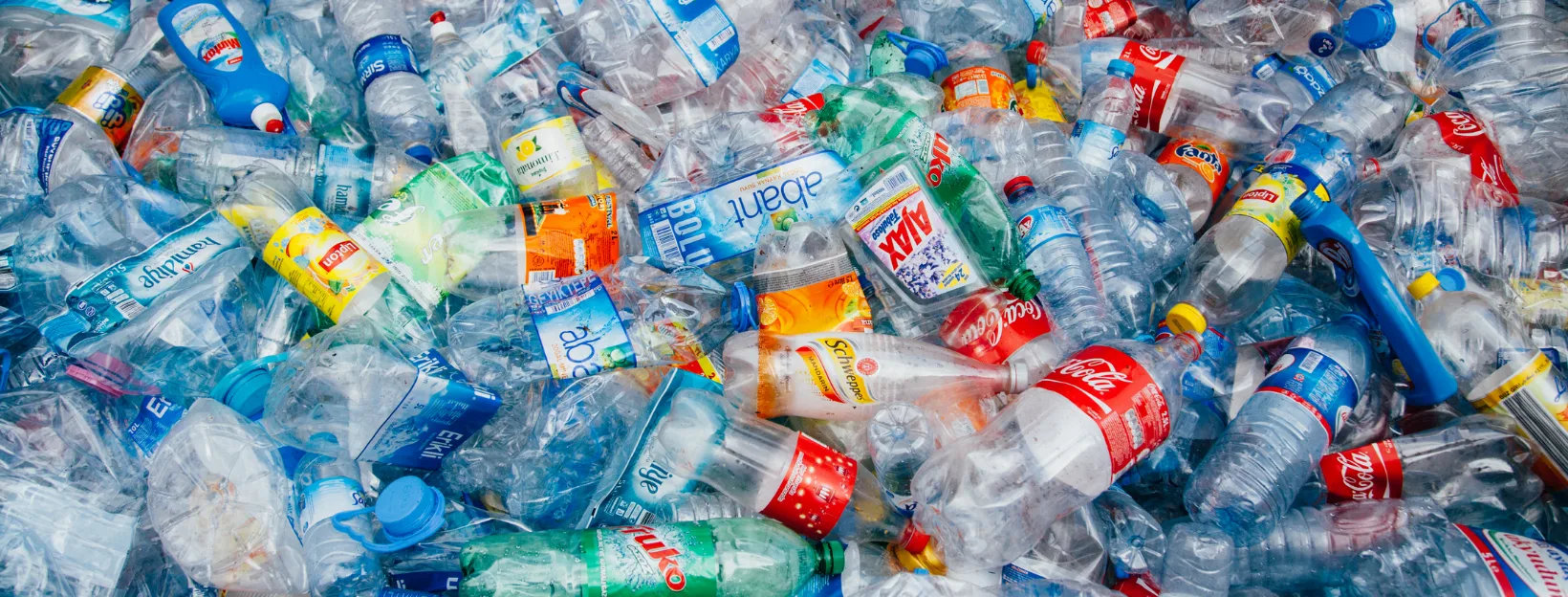
PFAS (per- and polyfluoroalkyl substances) are a family of thousands of chemicals used for stain and water resistance. They got their nickname because they don't break down in nature or in the human body — they bioaccumulate and biomagnify for decades.
Where PFAS live:
- Non-stick cookware — Teflon and its cousins
- Stain-resistant carpet, furniture, and fabric treatments
- Food packaging — especially grease-resistant wrappers (fast food wrappers, microwave popcorn bags, pizza boxes)
- Waterproof clothing and outdoor gear
- Some cosmetics and personal care products — waterproof mascara, long-wear makeup
- Some drinking water — contamination is widespread, especially near military bases and industrial sites
Documented effects:
- Immune suppression — reduced vaccine response, higher infection rates (exposure effects on immune cells are among the best-documented PFAS concerns)
- Thyroid dysfunction
- Developmental effects, including altered birth weight
- Cancer risk in adults with chronic exposure
PFAS half-lives in the human body are measured in years — which means exposures accumulate over a lifetime. Reducing PFAS exposure is a long game.
The Avaneuro Home Product Safety module walks through the PFAS substitution list — because unlike phthalates (fast clearance), PFAS is about protecting against exposures you'll carry for decades.
The Myths That Are Costing You
Myth #1: "If it were dangerous, they'd ban it."
The regulatory system for chemicals in the U.S. operates on a "presumed safe until proven harmful beyond reasonable doubt" standard, with the burden of proof falling on public health researchers working with limited funding against industries with large legal and lobbying budgets. The result is a well-documented lag between scientific consensus and regulatory action, often measured in decades.
BPA's restrictions took 20+ years of research before any meaningful regulatory response. PBDE flame retardants took similarly long. PFAS have been studied for 70+ years, and comprehensive regulation is only now starting to emerge. Assume chemicals in wide commercial use carry some risk that hasn't been fully characterized. Adjust purchasing accordingly.
Myth #2: "The dose is too low to matter."
For classical toxicants (lead, mercury), low-dose effects are usually small extensions of high-dose effects. For endocrine disruptors, the low-dose picture is different: receptor-mediated effects can produce measurable biological effects at doses far below regulatory "safe" thresholds, and some EDCs show non-monotonic responses where low doses produce effects high doses don't. (1)
"The dose makes the poison" applies cleanly to some chemistry. It applies unreliably to endocrine disruption. Regulatory safety margins calibrated for the first are not necessarily protective for the second.
Myth #3: "BPA-free plastic is safe."
BPA was often replaced with BPS or BPF, which are structurally very similar and have similar endocrine-disrupting activity. (3) "BPA-free" means the manufacturer removed the one specific compound most consumers had heard of. The category of bisphenols is still there.
The useful distinction isn't "BPA vs. BPA-free." It's plastic vs. glass/stainless steel for food and water contact, especially for hot foods.
Myth #4: "Organic produce handles the EDC problem."
Organic produce addresses pesticide exposure (a different category). It doesn't substantially address phthalate, bisphenol, PFAS, or flame retardant exposure, which come through other routes: packaging, cookware, furniture, personal care products, building materials.
Organic is necessary but not sufficient. The rest of the household ecosystem matters too.
The Numbers That Matter

| What's happening | The data | Source |
|---|---|---|
| Non-monotonic dose-response for EDCs | Low doses can produce effects high doses don't | (1) |
| Phthalates and anti-androgenic effects | Documented in male infants with higher prenatal exposure | (2) |
| "BPA-free" replacements | BPS, BPF have similar endocrine-disrupting activity to BPA | (3) |
| PFAS biological half-life | Measured in years — accumulates over lifetime | Literature consensus |
| Phthalate half-life | Hours to days — body burden drops quickly with reduced exposure | Literature |
Wait, Really? Your Receipt Paper Is in This Conversation
Most thermal receipt paper — the kind printed by grocery store, gas station, and drugstore registers — is coated with a BPA or BPS developer that transfers to skin on contact. Cashiers and people who handle receipts frequently have measurably higher urinary bisphenol levels.
For parents, the relevant issues:
- Handling receipts with lotion on your hands dramatically increases absorption
- Kids who handle receipts (or who touch things you've handled after touching receipts) also get exposure
- Declining paper receipts (digital receipt, no receipt) entirely is a simple exposure-reduction move
This is a small exposure per incident, but it's one of those frictionless habit changes that compounds over years.
What Actually Works
1. Glass and stainless steel for food and water contact. Especially hot foods and beverages. Leftovers in glass. Kids' water bottles in stainless steel. Baby bottles in glass (with silicone sleeves for drop protection).
2. Eliminate fragranced personal care products. "Fragrance-free" over "unscented" (unscented can mean fragrance was added to cover other odors). Look for third-party-verified labels — EWG Verified is reasonable.
3. No non-stick cookware. Cast iron, stainless steel, carbon steel, enameled cast iron, glass, ceramic (watch for unregulated imports). Non-stick coatings shed PFAS especially when overheated or scratched.
4. Fresh, frozen, or glass-jar foods over canned. If using canned: look for brands certified free of BPA and BPS/BPF, or make the shift to cartons/jars where possible. Tomato products in cans are especially problematic (acidic foods leach more from epoxy linings).
5. No vinyl in the child's primary environment. Shower curtains — cotton or hemp. Flooring — wood, tile, linoleum (not vinyl). Kids' rain gear and boots — natural rubber or TPU instead of PVC. "New plastic smell" is often phthalate off-gassing.
6. Open windows after cleaning. Keep fragrance out of the house. No plug-in air fresheners, no scented candles (especially in bedrooms), no aerosol fragrance sprays. If you want scent, a diffuser with real essential oils used sparingly.
7. HEPA vacuum regularly. House dust is where phthalates, flame retardants, and PFAS accumulate. A HEPA vacuum captures these; cheap vacuums redistribute them. Damp-dust with microfiber on hard surfaces.
8. Decline thermal receipts. Small per-event, cumulative over years. Email receipts, declined receipts, or wash hands after handling.
9. For mattresses and furniture, look for low-toxicity certifications. GREENGUARD Gold, GOTS, CertiPUR-US (for foam). A mattress is eight hours a night of direct contact. Worth the one-time investment in a low-toxicity option.
The Bottom Line
Endocrine-disrupting chemicals are one of the clearest cases where the regulatory system and the research have diverged for decades, and where the household-level intervention is almost entirely under parental control. None of the swaps required are expensive in the long run. All of them have documented exposure-reduction effects. And because the developing endocrine system is specifically vulnerable during fetal life, infancy, and puberty, the window during which these choices matter most is also the window during which most families have the most consumer attention on what comes into the home.
At Avaneuro, the Home Product Safety and Personal Care modules are designed around a simple principle: audit once, substitute permanently. You don't have to keep making these decisions over and over. Go through the house this month, swap what needs swapping, and from then on the household ecosystem runs at a lower toxic burden automatically.
Your child's hormones are a finely tuned signaling system. The fewer competing signals they're parsing, the more accurately their own biology develops. The fix is a Saturday afternoon of inventory, a series of one-time purchases, and a permanent shift in what comes into the house. That's a disproportionately high-ROI intervention.
Go deeper: This article builds on Avaneuro's Hormonal Development & Puberty Preparation module — the full protocols, tools, and cited evidence base.
Related reading
- Lead Is Still in Your House. Here's Where to Look.
- Mercury, Fish, and Your Child's Developing Brain: What's Safe and What's Not
- VOCs from Furniture and Paint Are Measurably Hurting Your Child's IQ
- Mold and the Developing Brain: Why Mycotoxins Are an Under-Diagnosed Cause of Behavior Problems
References
- Vandenberg, L.N., et al. (2012). Hormones and Endocrine-Disrupting Chemicals: Low-Dose Effects and Nonmonotonic Dose Responses. Endocrine Reviews, 33(3), 378–455. https://pubmed.ncbi.nlm.nih.gov/22419778/
- Swan, S.H., et al. (2005). Decrease in Anogenital Distance Among Male Infants with Prenatal Phthalate Exposure. Environmental Health Perspectives, 113(8), 1056–1061. https://pubmed.ncbi.nlm.nih.gov/16079079/
- Rochester, J.R. & Bolden, A.L. (2015). Bisphenol S and F: A Systematic Review and Comparison of the Hormonal Activity of Bisphenol A Substitutes. Environmental Health Perspectives, 123(7), 643–650. https://pubmed.ncbi.nlm.nih.gov/25775505/