The Air Inside Your House Is Probably 2-5x Dirtier Than Outside. Here's How to Fix It.
You're staying inside to escape air pollution. You're escaping into worse air pollution. A systematic home-air audit, done once, changes the developmental environment your child lives in for years.
The cognitive dissonance is real. Parents keep kids inside on "bad air quality" days. Smog alerts go up; windows go down. The logic is that outdoor air is dirty and indoor air is safe.
The EPA's estimate: indoor air is typically 2–5 times more polluted than outdoor air, and up to 100 times worse for specific pollutants. (1) Americans spend roughly 90% of their time indoors. That means 90% of a child's air exposure is happening in an environment that's usually dirtier than the one they're avoiding by staying inside.
This article is the systematic audit version of the indoor air conversation — not a deep dive on any single pollutant (we covered VOCs from furniture and paint, and mold, in their own pieces), but a walkthrough of what a comprehensive household air strategy actually looks like.
Because unlike outdoor air — where you're a price-taker on whatever your municipality and its upwind neighbors produce — indoor air is almost entirely under your control. Audit once, fix the sources, install filtration, and you've permanently improved the developmental environment your child lives in for years.
The Four Categories of Indoor Pollutant
To audit, you have to know what you're auditing for. Indoor air pollution comes from four major categories:
1. Particulates (PM2.5, PM10). Fine and ultra-fine particles — from cooking, combustion (gas stoves, candles, fireplaces), outdoor air that infiltrates, dust disturbance, and some off-gassing. Penetrate deep into the lungs. Associated with respiratory disease and cognitive effects.
2. Gases (CO, CO2, NO2, radon). Carbon monoxide from combustion appliances. Elevated carbon dioxide from inadequate ventilation in occupied spaces. Nitrogen dioxide from gas appliances. Radon from ground contact. All measurable, all addressable.
3. Volatile organic compounds (VOCs). Formaldehyde, benzene, toluene, etc. from furniture, paints, cleaning products, personal care, air fresheners. Covered in depth in the VOCs article.
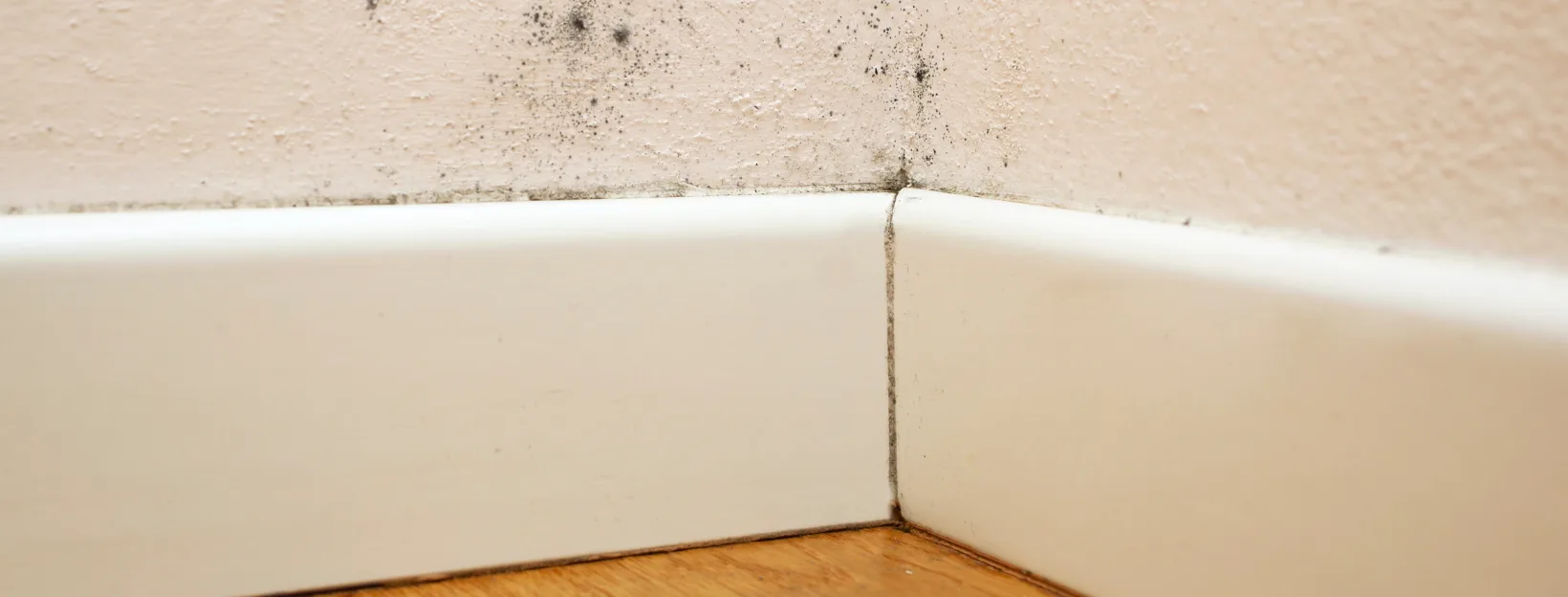
4. Biological (mold spores, dust mites, pet dander, bacteria). Driven primarily by moisture, cleanliness, and the presence of organic matter. Covered in the mold article.
Each category has its own sources, its own measurements, and its own interventions. A comprehensive strategy addresses all four.
The Audit: Category by Category
Particulates (PM2.5)
- Measure: A PM2.5 monitor ($100–300 range, brands like Airthings, PurpleAir, AirVisual). Run it in the kitchen during cooking, in the bedroom overnight, and during outdoor smoke/wildfire events.
- Sources to address:
- Gas stove → always use range hood on high; vent outside; consider induction on next upgrade (2)
- Candles, incense → eliminate from occupied rooms
- Fireplaces → use sparingly, or switch to vented gas/electric
- Outdoor infiltration → better window sealing, HEPA filtration running during events
- Filtration: HEPA purifier (sized for room) with a true HEPA filter, not "HEPA-type"
Gases
- Carbon monoxide: Every floor of the house needs a CO detector. Test annually. Non-negotiable — CO is colorless, odorless, and acutely fatal at high doses.
- Carbon dioxide: Less dangerous but telling. Indoor CO2 above 1,000 ppm indicates inadequate ventilation; above 1,500 ppm causes measurable cognitive effects. Monitors are ~$100. If your bedroom CO2 rises above 1,000 ppm overnight with the door closed, you need more fresh-air exchange (cracked window, ERV/HRV system).
- Nitrogen dioxide: Gas stoves produce it directly. Range hood use, window ventilation during cooking, or induction eliminate it. (2)
- Radon: Short-term test kits ($15) or digital monitors ($150+). EPA action level is 4 pCi/L; mitigation is worthwhile above 2 pCi/L. (3)
VOCs
- Reducing sources is more effective than trying to filter them out.
- Key sources: new furniture (air out for weeks before putting in bedroom), paints (zero-VOC only for living spaces), cleaning products (fragrance-free, low-VOC), air fresheners (eliminate entirely), personal care products with fragrance.
- Activated carbon filtration helps capture some VOCs but needs regular replacement.
Biological
- Humidity between 30–50%. Hygrometer ($10). Dehumidifier in basements. AC/exhaust fans in humid months.
- Professional mold inspection if there's any history of water intrusion or musty odor.
- Regular HEPA vacuuming. Damp microfiber dusting on hard surfaces.
- HVAC maintenance: filters (MERV 11+), coil cleaning, drain pan inspection, optional UV-C in air handler.
The Myths That Are Costing You
Myth #1: "Opening a window is enough ventilation."
Helpful, not sufficient. Window opening dilutes pollutants with outdoor air, which works when outdoor air is cleaner and when the indoor source is removed. If the couch is still off-gassing, the window is a partial measure.
Balanced mechanical ventilation — ERV (energy recovery ventilator) or HRV (heat recovery ventilator) — exchanges indoor air for outdoor air continuously without thermal penalty. For families with asthma, chronic respiratory issues, or a child you're specifically trying to protect, an ERV/HRV is a meaningful upgrade.
Myth #2: "If I can't smell it, it's fine."
Your nose habituates to constant stimuli within hours, and many of the most important pollutants — CO, CO2, radon, fine particulates, formaldehyde at low levels — are odorless or close to it. "I can't smell anything" tells you very little about actual air quality.
Measurement is the fix. Monitors are cheaper and more available than they've ever been.
Myth #3: "Ionizers, ozone generators, and 'plasma' purifiers work."
HEPA works. Activated carbon works. Most "air-cleaning" technologies that produce ions or ozone either produce no meaningful benefit or actively harm indoor air quality by generating ozone — a respiratory irritant the EPA explicitly warns against. (4)
If a product claims to "freshen" the air with a scent or uses the words "ionizer," "ozone," "plasma," or "oxidizer," check its ozone emissions before using in an occupied space.
Myth #4: "HVAC filters handle everything."
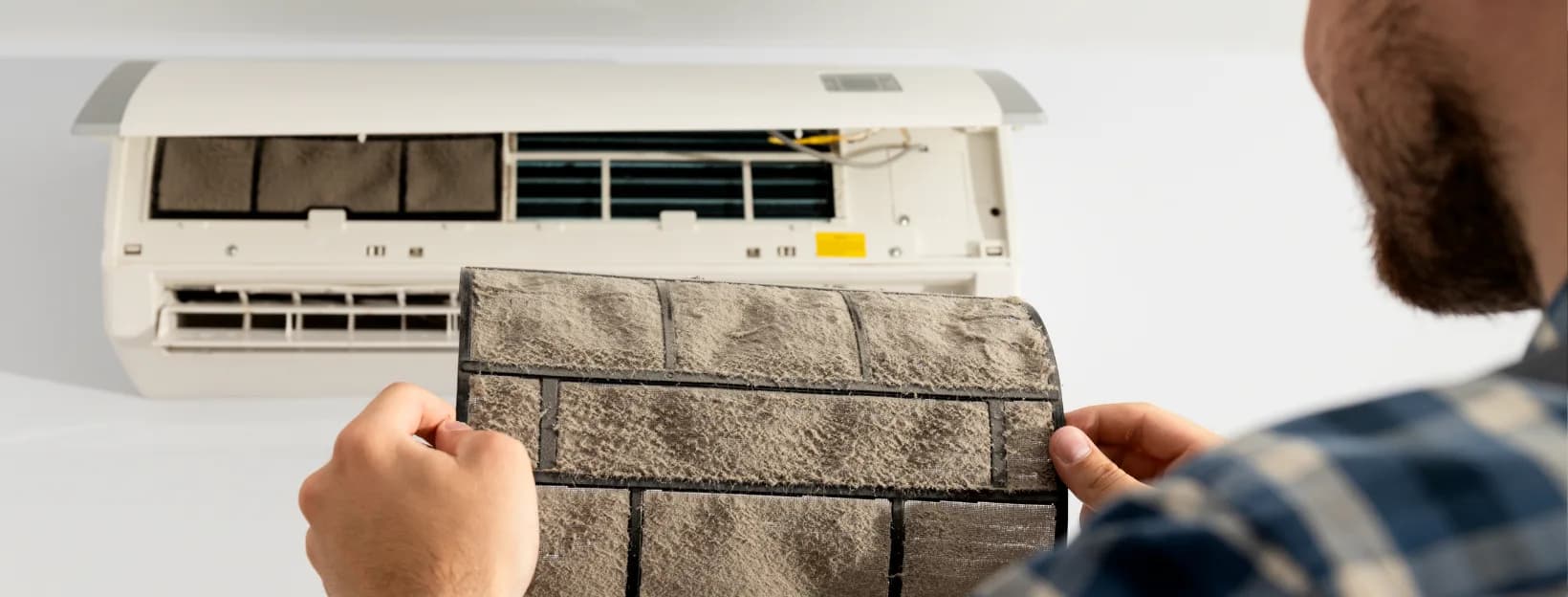
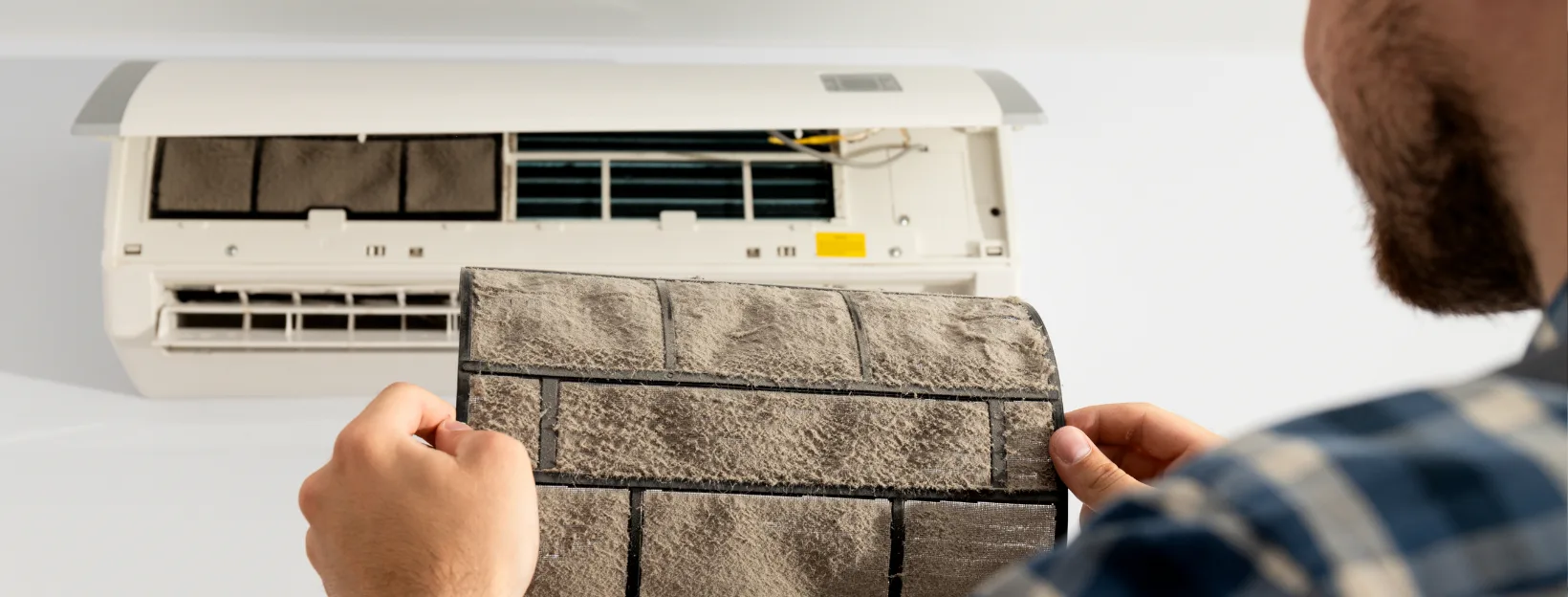
A basic 1-inch fiberglass furnace filter captures almost nothing smaller than large dust particles. It's designed to protect the equipment, not the air. Upgrading to MERV 11 or MERV 13 (check compatibility with your system) captures dramatically more fine particulate matter and improves whole-house air quality meaningfully.
Portable HEPA purifiers complement — not replace — upgraded HVAC filtration. The HVAC filter handles the bulk of the house; the bedroom purifier handles the specific room where your child breathes for 10+ hours overnight.
The Numbers That Matter
| What's happening | The data | Source |
|---|---|---|
| Indoor vs. outdoor air | 2–5x worse indoors, up to 100x for specific pollutants | (1) |
| Indoor CO2 cognitive threshold | Measurable cognitive effects above ~1,000 ppm | Literature consensus |
| Gas stoves and childhood asthma | Meaningful share of childhood asthma attributable; documented dose-response | (2) |
| Radon EPA action level | 4 pCi/L (mitigation recommended above 2) | (3) |
| Ozone-generating purifiers | Actively harmful; CARB prohibition list | (4) |
| HEPA purifiers during pregnancy | 2.8–3.2 IQ point benefit in child at age 4 (UGAAR RCT) | See VOC article, (5) |
Wait, Really? Your Bedroom CO2 at Night
One monitor most people have never used that turns out to reveal a lot:
A CO2 monitor in the bedroom overnight often reveals that sleeping CO2 levels reach 1,500–3,000 ppm in poorly ventilated rooms — well above levels associated with cognitive effects and sleep quality reductions. Closed bedroom door, multiple occupants, no fresh-air exchange, and respiration continuously increases CO2 through the night.
The fix is simple: a cracked window, a bedroom door that's not fully sealed, or — in well-sealed energy-efficient homes — mechanical ventilation. The effect on sleep quality and morning alertness can be meaningful, and it's one of those "I had no idea" interventions that produces immediate, noticeable benefit.
What Actually Works
1. Buy a HEPA purifier for the bedroom. Sized for room square footage. True HEPA. With activated carbon for VOCs. Run continuously. This is the single highest-ROI intervention and buys measurable developmental benefit. (5)
2. Install a CO detector on every floor, including near bedrooms. Non-negotiable. Test annually. Replace every 7–10 years per manufacturer.
3. Test for radon. Short-term kit or digital monitor. If >2 pCi/L, consider mitigation. If >4 pCi/L, mitigate. Mitigation is a one-time install ($1,000–2,500) that reduces radon by 80%+. (3)
4. Upgrade HVAC filters to MERV 11 or 13. Check system compatibility first. Change on schedule. This alone dramatically reduces whole-house fine particulate.
5. Use the range hood, always, during cooking. On high. Vent outside (not recirculating). Window cracked on top of it for very high-production cooking (searing, frying). Gas stoves require more aggressive ventilation than electric/induction. (2)
6. Eliminate fragrance from the indoor environment. Plug-ins. Candles. Sprays. Scented cleaning products. Fragrance-free replacements across the board.
7. Humidity 30–50%, monitored. Dehumidifier in basements. AC running during humid months. Hygrometer in main living area. Too high → mold/dust mites; too low → respiratory irritation.
8. HEPA vacuum weekly. Damp-dust hard surfaces. Don't dry-sweep. Don't use feather dusters (they redistribute). Microfiber + HEPA captures, rather than recirculates.
9. Consider a CO2 monitor for the bedroom. Cheap, informative. If levels are high overnight, improve ventilation.
10. For high-allergy or asthmatic kids, consider an ERV or HRV. Continuous balanced ventilation in a well-sealed home. More expensive, transformative for respiratory health.
The Bottom Line
Indoor air quality is the single biggest environmental exposure most families never systematically audit. The good news: once audited and addressed, it stays addressed. The HEPA purifier runs for years. The CO detector sits on the wall. The gas-stove discipline becomes a habit. The radon mitigation is done once.
The developmental payoff — across sleep, cognition, mood, respiratory health, and long-term chronic disease risk — is large, and the RCT evidence (UGAAR, in particular, showing 3 IQ points of benefit from HEPA during pregnancy) confirms it's not just correlational. (5)
At Avaneuro, the Air Quality module is in the same phase as sleep and nutrition because it belongs in the same mental bucket: daily infrastructure for a developing brain. You wouldn't accept dirty drinking water for your child. You don't need to accept dirty indoor air either.
Audit. Fix. Run the filter. Breathe better.
Go deeper: This article builds on Avaneuro's Air Quality & Mold module — the full protocols, tools, and cited evidence base.
Related reading
- Lead Is Still in Your House. Here's Where to Look.
- Mercury, Fish, and Your Child's Developing Brain: What's Safe and What's Not
- VOCs from Furniture and Paint Are Measurably Hurting Your Child's IQ
- Mold and the Developing Brain: Why Mycotoxins Are an Under-Diagnosed Cause of Behavior Problems
References
- U.S. Environmental Protection Agency. Indoor Air Quality Overview. https://www.epa.gov/indoor-air-quality-iaq
- Gruenwald, T., et al. (2022). Population Attributable Fraction of Gas Stoves and Childhood Asthma in the United States. International Journal of Environmental Research and Public Health, 20(1), 75. https://doi.org/10.3390/ijerph20010075
- U.S. Environmental Protection Agency. Radon. https://www.epa.gov/radon
- California Air Resources Board. Air Cleaners and Ozone-Generating Products. https://ww2.arb.ca.gov/our-work/programs/air-cleaners-ozone-products
- Gould, C.F., et al. (2024). Prenatal Indoor Air Pollution Reduction with HEPA Filter Air Cleaners and Child Cognitive Outcomes: UGAAR Trial. Environmental Health Perspectives, 132(4). https://ehp.niehs.nih.gov/doi/10.1289/EHP14581