Skip to main content
Lesson 2 of 10|
Strong Evidence
|10 min readNutrition Foundations
Essential nutrients, dietary patterns, and supplementation strategies for optimal fertility and fetal development.
Nutrition is perhaps the most modifiable factor in pre-conception health. This lesson covers the evidence for specific nutrients, dietary patterns, and supplementation.
Critical Nutrients
Folate: Why We Recommend Methylfolate Over Folic Acid
You've heard about folic acid for preventing neural tube defects. What you may not know: synthetic folic acid is the inferior choice for most women.
Here's why this matters:
Folic acid is synthetic and must be converted by an enzyme called MTHFR before your body can use it. About 40% of the population carries genetic variants that significantly impair this conversion. If you're in that 40%, folic acid provides reduced benefit at best.
Worse, when folic acid isn't converted efficiently, it accumulates as unmetabolized folic acid (UMFA) in your bloodstream. Emerging research links elevated UMFA to potential concerns including impaired immune function and masking of B12 deficiency.
Methylfolate (5-MTHF) is the bioactive form your body actually uses. It requires no conversion, works regardless of your MTHFR status, and doesn't cause UMFA accumulation.
Our recommendation: Use methylfolate (5-MTHF), not folic acid. Dose: 400-800mcg daily. Check your prenatal vitamin's label - if it says "folic acid," switch to one containing methylfolate or 5-MTHF.
Choline
Often overlooked, choline is critical for brain development and may be as important as folate. Most prenatal vitamins contain inadequate amounts.
Food sources: Eggs (especially yolks), liver, beef, fish Recommendation: 450mg daily for women planning pregnancy
Omega-3 Fatty Acids (DHA/EPA)
DHA is concentrated in brain tissue and crucial for neurodevelopment. Most Western diets are deficient.
Recommendation: 200-300mg DHA daily minimum. Consider algae-based sources if avoiding fish.
Vitamin D
Deficiency is endemic and associated with numerous pregnancy complications and developmental concerns.
Recommendation: Test your levels. Aim for 40-60 ng/mL. Most people need 2000-4000 IU daily to achieve this.
Dietary Patterns
Rather than obsessing over individual nutrients, focus on overall dietary patterns:
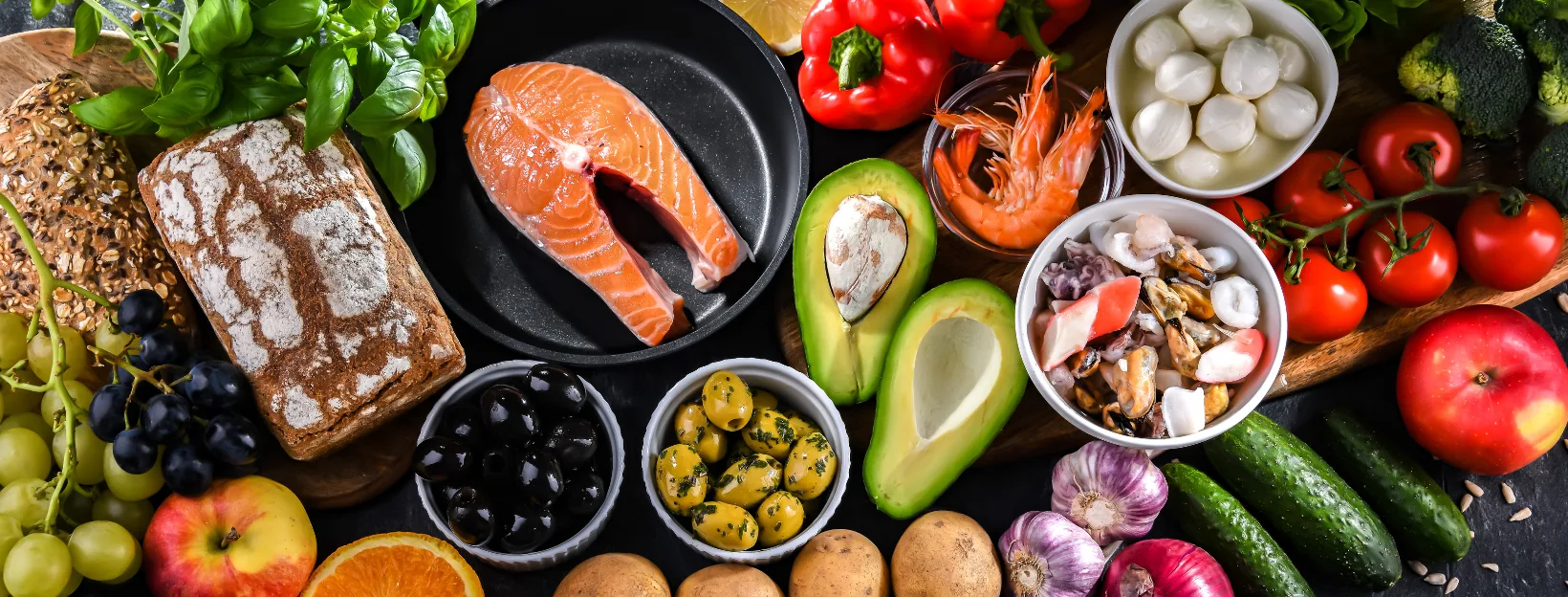
Mediterranean-style eating shows the strongest evidence for fertility and pregnancy outcomes:
- Abundant vegetables and fruits
- Olive oil as primary fat
- Fish 2-3 times weekly
- Moderate whole grains
- Limited processed foods
What to Minimize
- Ultra-processed foods: Associated with inflammation and poorer fertility outcomes
- Excessive sugar: Impacts insulin sensitivity and hormonal balance
- Trans fats: Still present in some processed foods despite partial bans
- Excessive caffeine: Keep under 200mg daily (about one 12oz coffee)
Educational content only. This is not medical advice, diagnosis, or treatment. Always consult your pediatrician or qualified healthcare provider before making changes to your child's diet, supplements, or care. Full disclaimer
Tools for This Lesson
172 people found this valuable
Emily R.: “We're TTC and this module has been incredibly helpful. My OB didn't cover half of this.”
David R.: “The 3-6 month preconception nutrition window was new info for us. We thought prenatal vitamins started at... you know, t...”
Developmental Pediatrician
AI-powered consultation
Educational guidance only. Not medical advice.
Ask Dr. Neuro anything about your child's development.